Shubael Conant died on July 17, 1867, with an estate worth $234,603. He is buried at Elmwood Cemetery, whose biography of him says his will let Black Detroiters buy or build homes on his property. Six decades later, developers had hoped to sell the subdivision on that land to Ford's white-collar men, and few came. Around 1928, Black families leaving Detroit's inner city found a subdivision on the northeast side with no deed restriction against them, and they started building. The rest of the city had shut them out.
The land lies between Seven Mile and Nevada, Conant and Ryan, and it belonged to Shubael Conant. Born in Mansfield, Connecticut, in 1783, Conant arrived in Detroit in 1810 with a stock of goods and opened a store on Jefferson Avenue. He served in the militia in the War of 1812 and built the Michigan Exchange hotel. He never married.
He founded the Detroit Anti-Slavery Society in 1837 and was its first president. The society called for abolition outright. Its demands at the founding on April 26, 1837, included "the elevation of our colored brethren to their proper rank as men." Conant was a member of Fort Street Presbyterian, and in later years he joined the meetings in Jackson that formed the Republican Party.
Middle-class Black families built Tudor Revival and Craftsman houses on big lawns or bought the ones already standing. After 1934 the Federal Housing Administration backed their loans. The neighborhood association created in those years still exists. By 1950 the neighborhood they made, Conant Gardens, had the highest median income of any Black neighborhood in Detroit, and 60 percent of its people owned their homes. The people who lived there by 1950 were business owners, lawyers, ministers and teachers, on tree-lined streets with open fields around them.
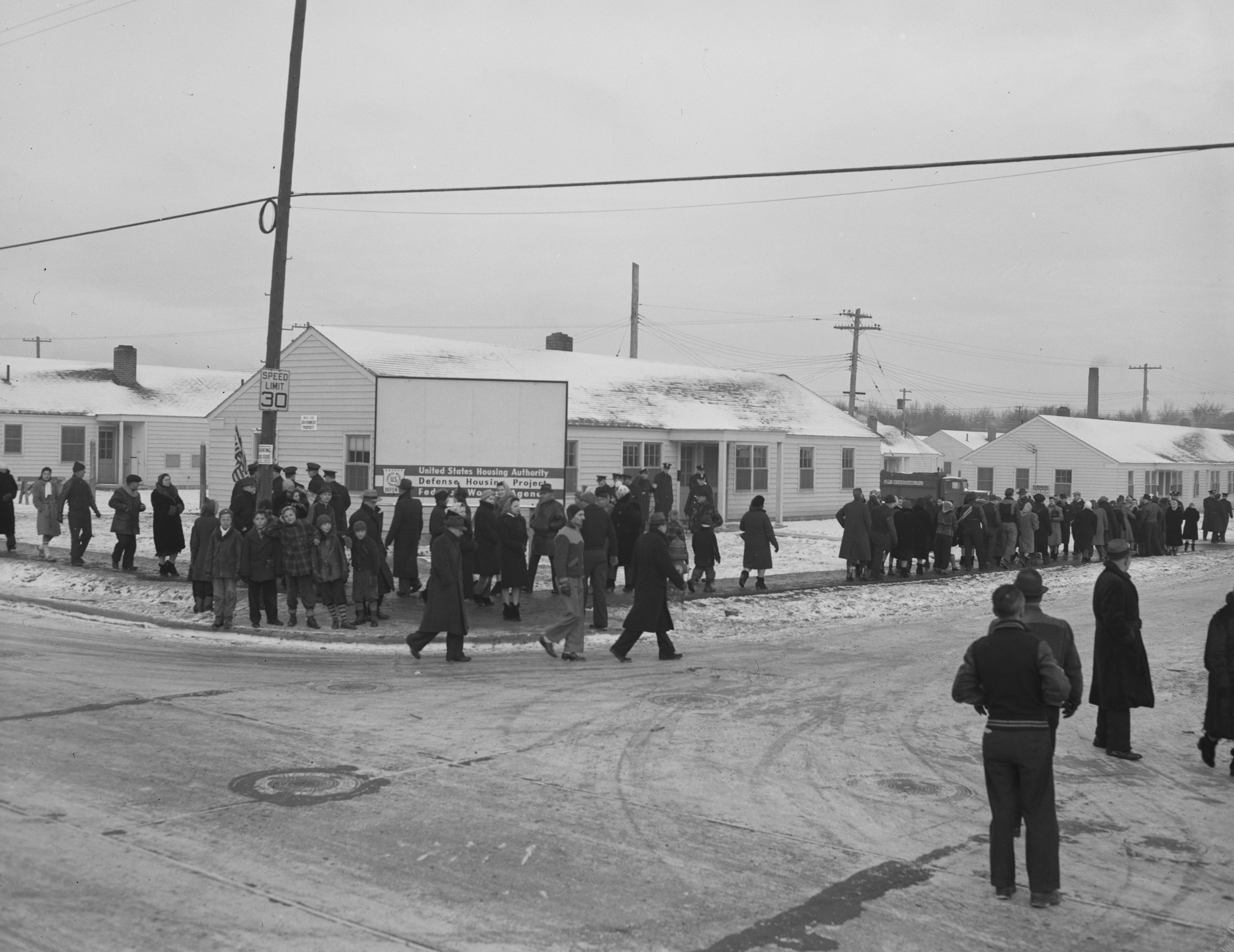
In 1942 that same association fought the Sojourner Truth housing project next door, and it fought alongside white neighbors. The homeowners feared public housing would cost the neighborhood its standing. The historian Thomas Sugrue called the alliance with white homeowners' groups unlikely. The homeowners lost. Mayor Jeffries sent more than 2,700 police and Guard troops to move the first six Black families into the project, and the fight fed the riot of 1943.
Pershing High School is in the neighborhood. J Dilla, Baatin and T3 of Slum Village grew up here. The Conant Gardeners Club published a book on the neighborhood in 2001, and the state put up a historical marker.