Ray Bernstein let the only eyewitness to the Collingwood Manor killings live, and the witness sent him to Marquette for life. Sol Levine saw three men shot on September 16, 1931, in the killings that marked the downfall of the Purple Gang. "I let you live, Solly, because you're my friend," Bernstein told him.
Levine had driven the victims there himself. Hymie Paul, Isadore Sutker and Joe Lebowitz ran liquor across the Detroit River for the Little Jewish Navy, a Purple Gang faction, and they had been poaching outside their territory. Sutker also owed Bernstein, a key Purple Gang leader, $1,300 for a liquor purchase. Levine took the three to Apartment 211 at 1740 Collingwood Avenue, near Twelfth Street. They were told it was a friendly meeting.
Bernstein met them at the door and sat them on the living room couch, with Harry Fleisher, Irving Milberg and Harry Keywell in the room. After a short talk he left, saying he had to make a phone call. Minutes later he was behind the wheel of his Chrysler sedan, honking the horn and revving the engine. That was the signal. The three guests were shot where they sat. Levine was left in shock.
Police picked Levine up and questioned him until he named the killers. Then an anonymous tip sent heavily armed officers to 2649 Calvert, where they arrested Bernstein and Keywell in their pajamas. Milberg was arrested the following night while preparing to leave town, and Fleisher was already gone.
The trial ran three weeks, with Levine as the main prosecution witness. Bernstein, Keywell and Milberg were convicted of first-degree murder, and Judge Donald Van Zile sentenced them to life in November 1931. James E. McCarty, the Detroit police chief of detectives, said the convictions "broke the back of the once powerful Purple Gang."
Fleisher stayed on the run for nine months. On June 9, 1932, he showed up with his lawyer at Prosecutor Harry Toy's fifth-floor office in Detroit Police Headquarters and was held without bond. Toy's star witness couldn't be found.
The case against Fleisher was dismissed.
Levine reappeared in Detroit 20 years later. He had shipped out with the merchant marine to make himself scarce. The job paid $135 a month, "the first honest money I ever made," he said.
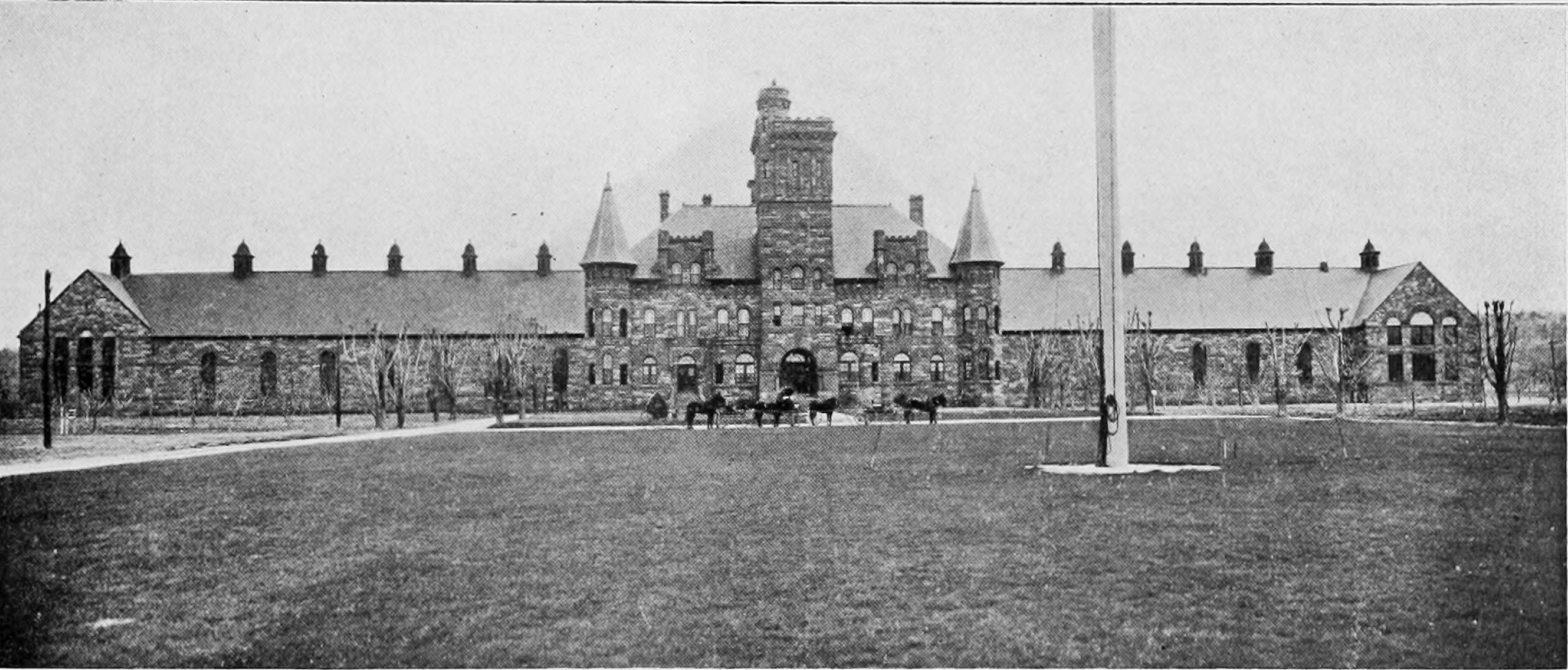
Paul R. Kavieff, a Royal Oak writer on his second book about the gang, counted 18 Purples murdered between 1927 and 1935 and found no evidence that anyone but other Purples killed them. Abe Axler and Eddie Fletcher were found shot to death on November 27, 1933, in the back seat of a new Chrysler at Telegraph and Quarton roads in Bloomfield Hills. Italian gangs had taken over as the dominant underworld force by 1933. By 1935 the Purple Gang no longer reigned over Detroit's underworld, and other members were in prison.
Abe Bernstein, Ray's brother, was spared because he had friends in New York, Meyer Lansky and Joe Adonis among them. He ran his bookmaking from a suite at the Book-Cadillac Hotel until a stroke killed him in 1968. Ray came out of Marquette in January 1964, in a wheelchair, and died two years later.