James Yancey died in February 2006. Nineteen years later the Detroit hip-hop catalog he helped build is still in conversation with the city's electronic scene, and the conversation is structural, not coincidental. The two genres have shared producers, venues, samples, and audiences in Detroit since at least the early 1990s, and the relationship is a Detroit-specific feature.
Yancey, recording as J Dilla, was the most cited Detroit hip-hop producer of his generation. The catalog runs from Slum Village's "Fan-Tas-Tic Vol. 1" in 1996 through "Donuts" in 2006. The production is hip-hop in genre and electronic in sensibility: the sample chops are obsessive, the rhythm grids are deliberately off-kilter, and the textures owe as much to Detroit techno's drum-machine tradition as they do to East Coast hip-hop convention. Detroit producers have read the Dilla catalog as bridge material for two decades.
The Slum Village line stayed in Detroit. T3 still records, the group still tours, and the studio infrastructure built around J Dilla's circle has produced two more generations of Detroit hip-hop. Royce da 5'9", Black Milk, Apollo Brown, Phat Kat, Boldy James, Sterling Toles, Babyface Ray. The roster is long enough to make the question of whether Detroit hip-hop is its own school feel rhetorical.
The crossover with the city's electronic scene runs through Underground Resistance and the techno producers who worked with hip-hop musicians from the start. Mike Banks's UR contributed beats to hip-hop projects. Carl Craig has worked with jazz and adjacent musicians on Planet E. Kenny Dixon Jr. (Moodymann) sampled Detroit hip-hop, soul, and funk records on KDJ throughout the 1990s. The DJ rooms — TV Lounge, Marble Bar, Lincoln Factory, Spot Lite — programmed Detroit hip-hop on the same calendars as the Detroit techno bookings.
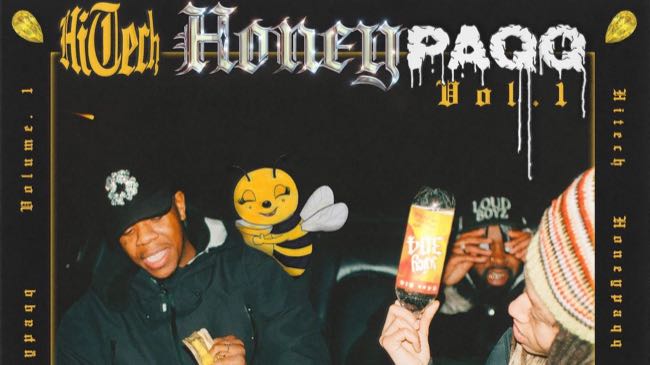
HiTech is the most current example of the same thread. The trio — 47Chops, King Milo, Milf Melly — works in ghettotech, the Detroit-born, faster-than-techno strain that grew up around DJ Assault, DJ Godfather, and the Direct Beat Records orbit. The lineage is hip-hop on the vocal side, dance music on the production side. Their 2025 album "HONEYPAQQ Vol. 1" on Loma Vista is a record that does not pick a genre. The Coachella booking, the Kresge Fellowship, the Movement closing slot — all of it ran through the cross-genre infrastructure Detroit had already built.
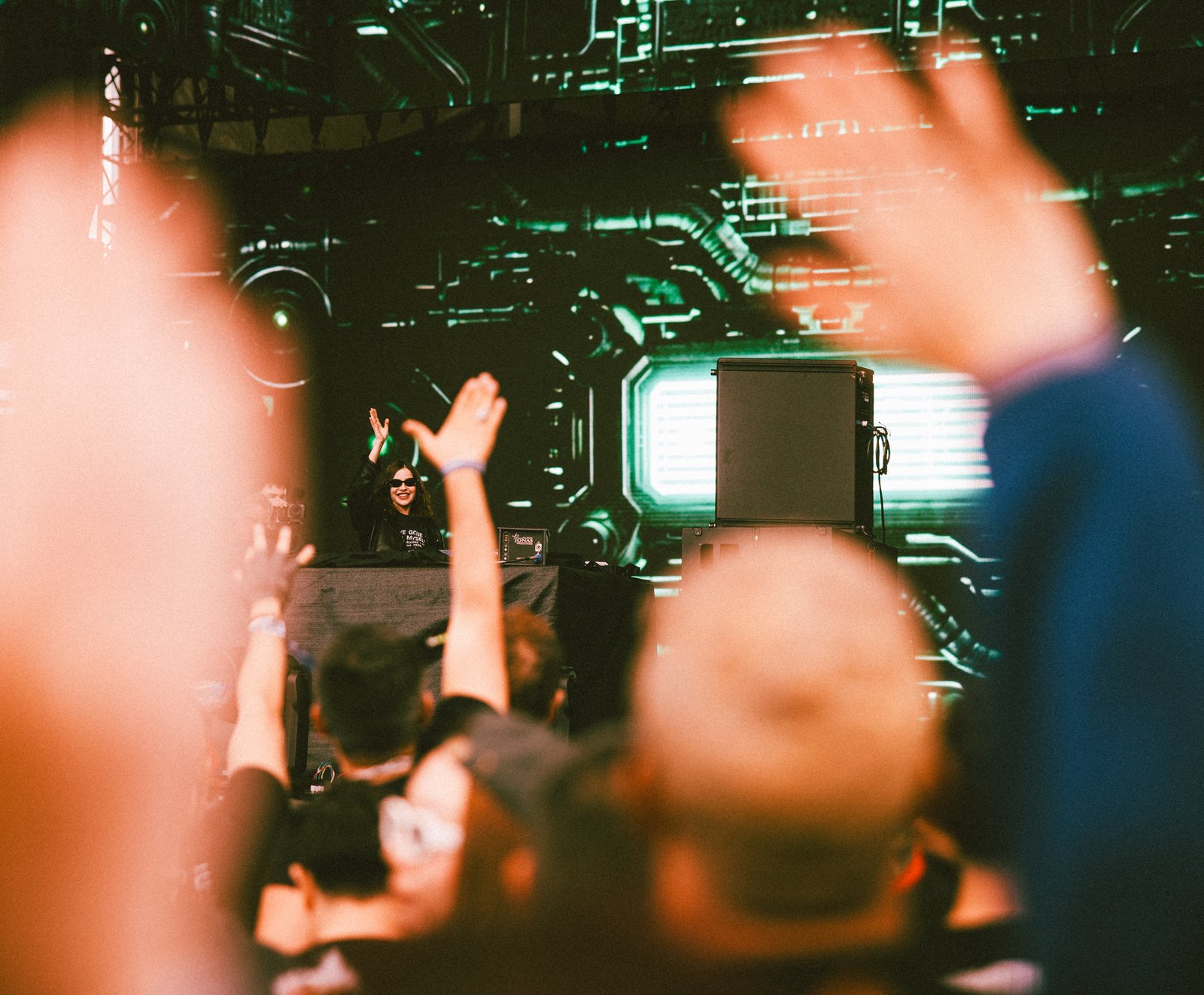
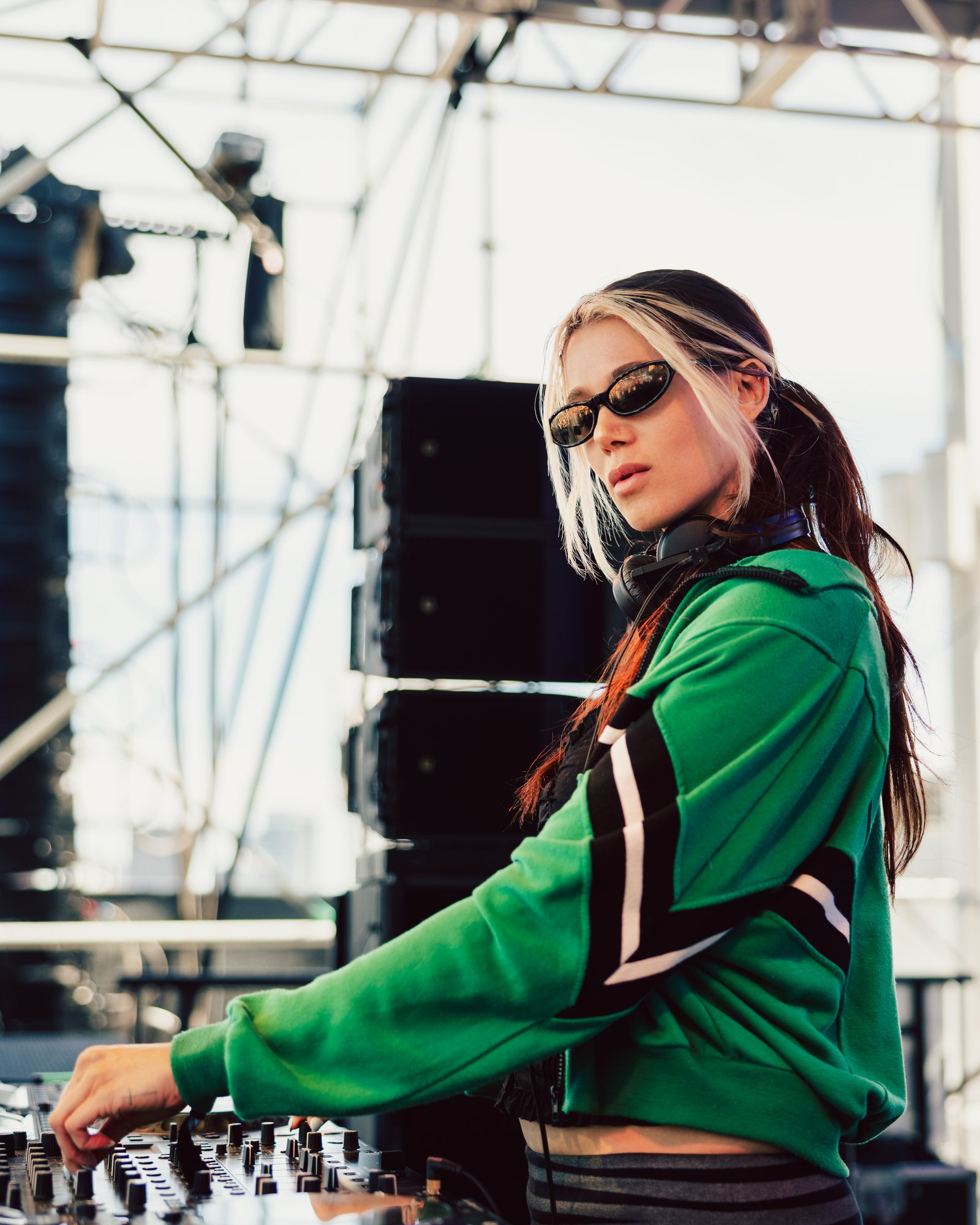
The argument is that Detroit's smallness — relative to LA, New York, or even Atlanta — makes the genre infrastructures share rooms. The producers who release on Wild Oats also play hip-hop nights at the Old Miami. The DJs who play Movement also work hip-hop sets. The audience is mostly the same people. The crossover is not a curatorial choice; it is what is available.
Yancey is in the lineage that produced HiTech, and HiTech is in the lineage that produced what comes next. The next layer of Detroit producers will build on both. The math of a city this size is straightforward: the rooms are shared, so the records are too.