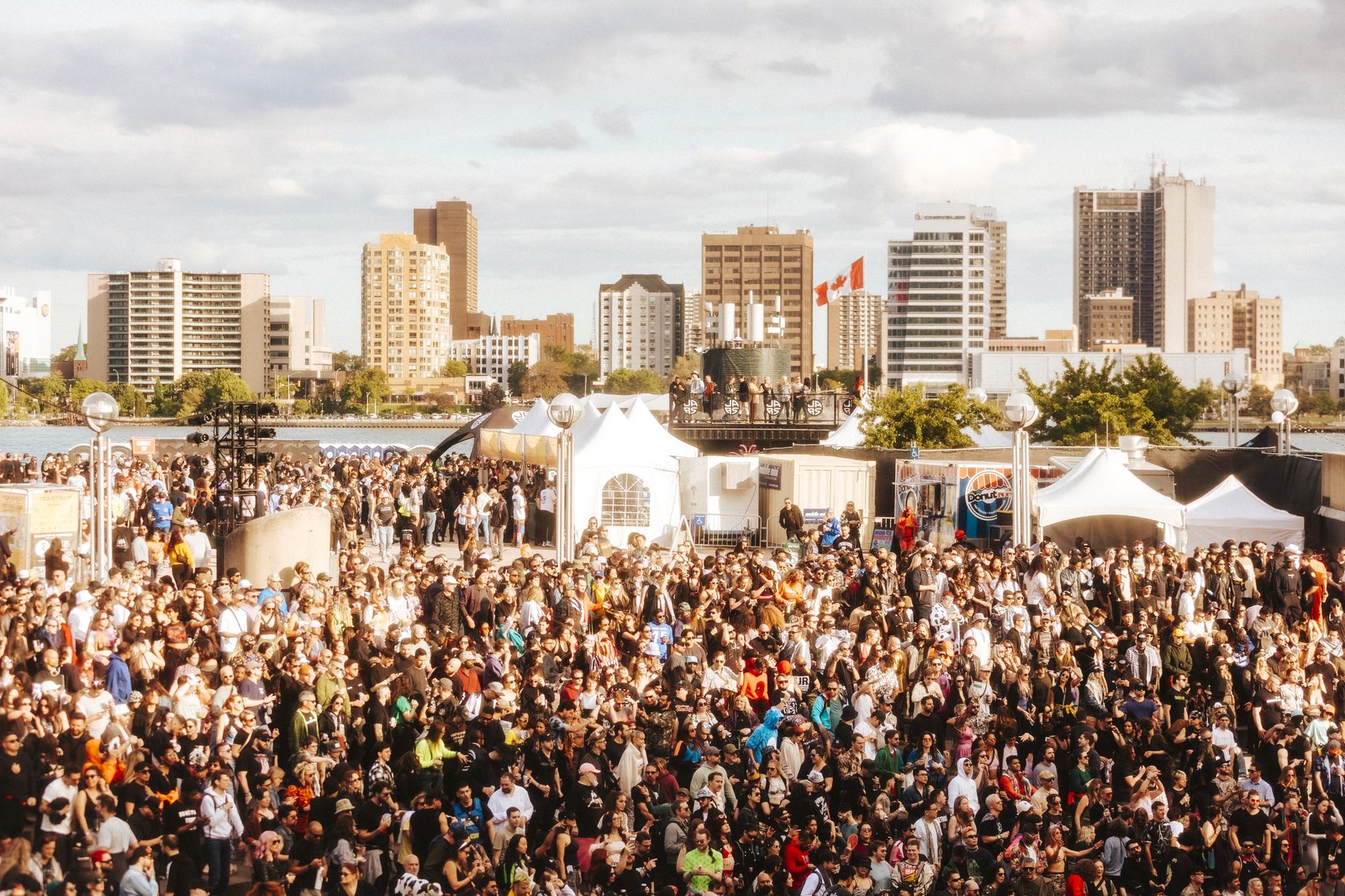

Two weeks after Movement 2025 closed, the contemporaneous press coverage has consolidated around several throughlines. Detroit techno, at 40 years from the genre's founding and 25 years from the festival's first edition, is in a different place than it was the last time the question was asked at this scale, which was around the 2019 edition.
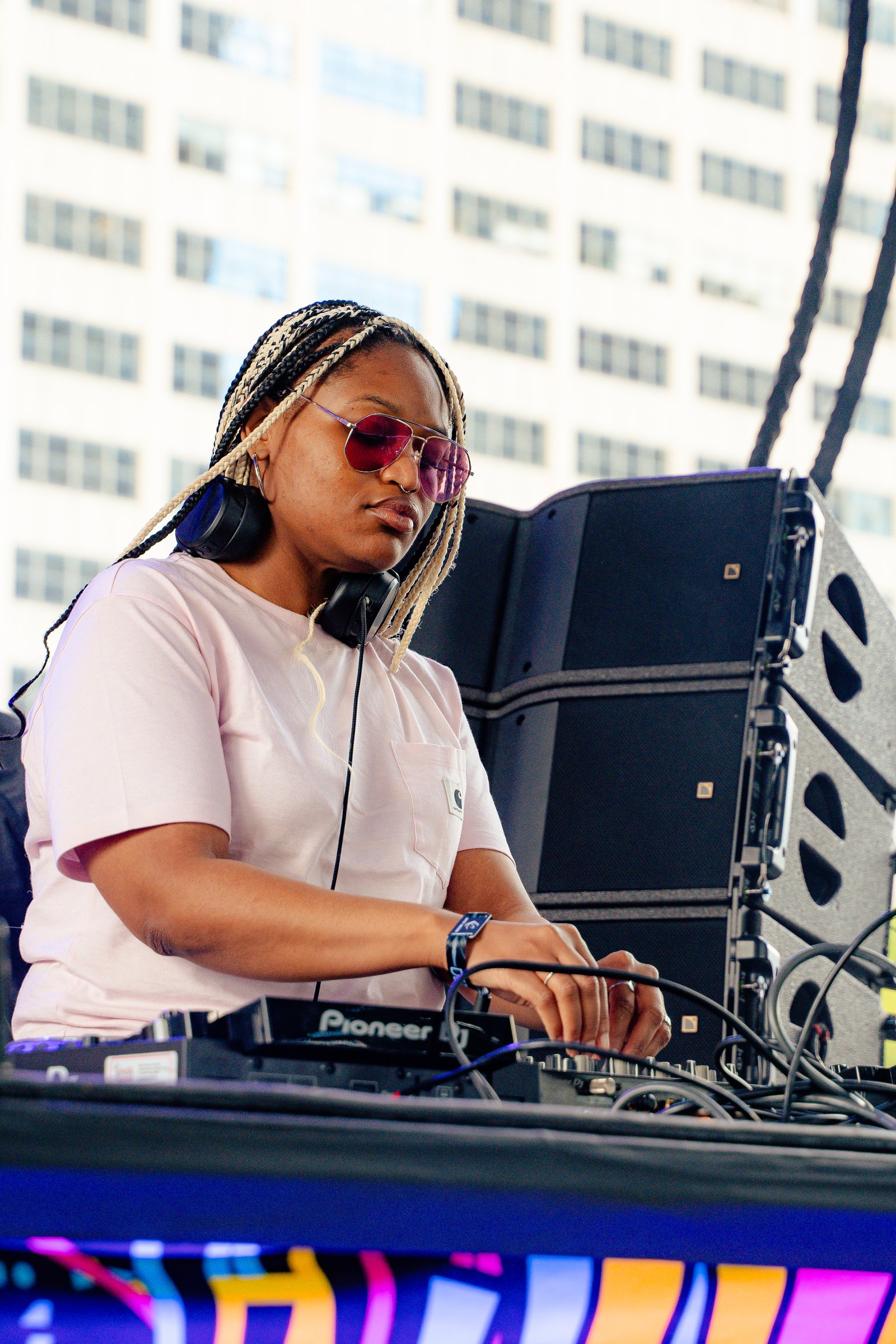
The first throughline: the generational handoff is partially complete. Father Dukes ran a Movement Stage headline slot Sunday night. DJ Holographic ran two upper-stage slots. Hi-Tech opened the Waterfront Stage on Saturday with a 75-minute ghettotech set. Underground Music Academy, Waajeed's school for Detroit DJs, had its first Movement showcase. The 2025 lineup had more mid-career and early-career Detroit programming than the 2019 edition, and Paxahau's bookings let those names hold prime slots.
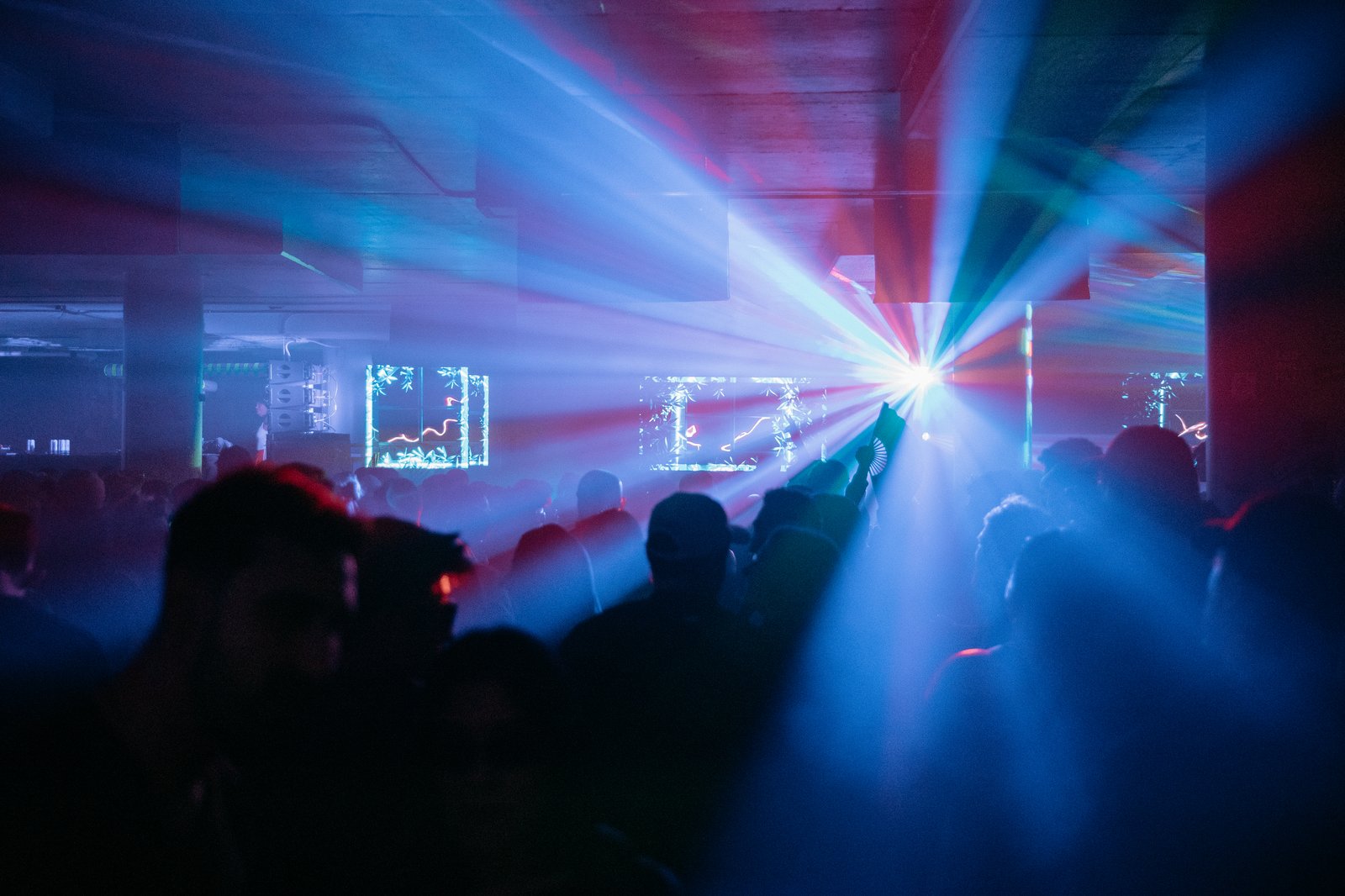
The second throughline: the international techno wing has continued to consolidate around the harder, faster, more visually-coordinated touring class. Charlotte de Witte. Sara Landry. Daria Kolosova. Klangkuenstler. Sama' Abdulhadi. The Underground Stage's 2025 booking was the festival's clearest signal that the international roster is, on average, harder and younger than it was in 2019, and that the Underground is where Movement programs that wing.
The third throughline: the deep-house lineage Detroit anchors is, by the Stargate Stage's programming, still the festival's most reliably-good-sets stage. Three Chairs. Kerri Chandler. Eris Drew and Octo Octa. The room ran without the production scale of the Movement Stage and got the festival's deepest programming as a result.
The fourth throughline: ghettotech, the Detroit-born strain that grew up around DJ Assault and the Direct Beat Records orbit, has crossed over. HiTech's "HONEYPAQQ Vol. 1" dropped on Loma Vista on May 23; the Movement Waterfront slot was the international-circuit Detroit stop on a year that has run through Coachella, Berghain, and Roskilde. The festival's booking treated the trio as the international-touring act they have become.
The fifth throughline: Paxahau, 19 years into operating the festival, is running an institution. The 25th-anniversary edition did not change the festival's structure. The afterparty circuit absorbed the room as it has for 19 years. The booking committee built the lineup over a nine-month cycle. The plaza ran the same six stages it has run for the last decade. The format took.
What none of these throughlines settle is whether the festival's audience is still mostly Detroit-anchored. By Paxahau's own historical filings, international ticket sales have grown faster than domestic ones since 2019. The 2025 edition is not the year that question gets answered.
What the festival did say is that Detroit techno's next decade is, by Paxahau's bookings, a working argument between the city's institutional lineage and a contemporary international circuit that has, at the level of headline production, already consolidated. The festival held both at once.
The math is the math.