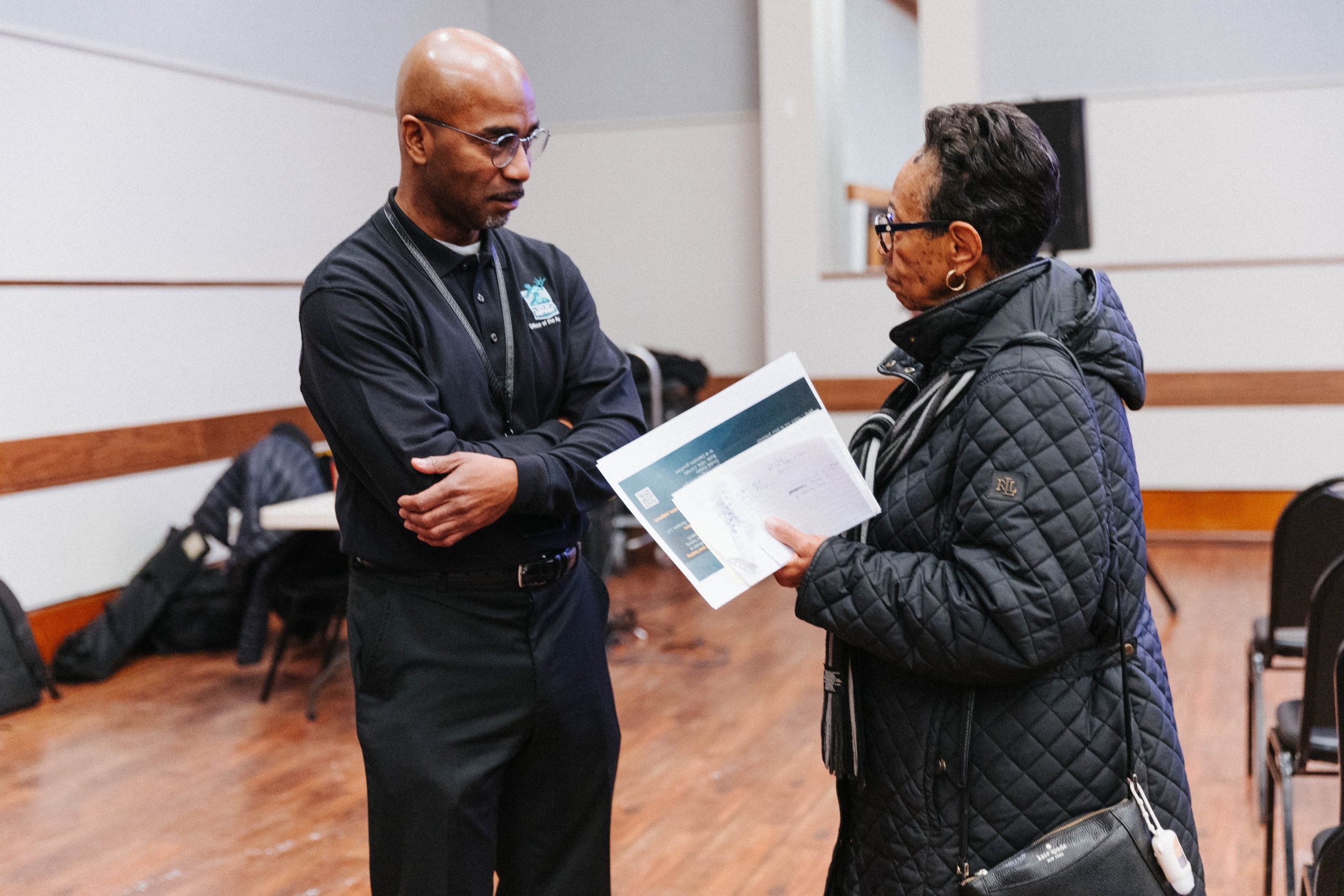
Detroit's Office of the Assessor is hosting a free nonprofit summit on June 10, part of an effort to reach churches and community organizations that owe property taxes they may have assumed they never had to pay.
The session, billed as "Detroit Non-Profit 101," runs from 10 a.m. to noon at the Northwest Activities Center, 18100 Meyers Road. According to the city's event listing, it is open to nonprofit organizations operating in Detroit, and the assessor's office is urging every group to send at least one representative. Topics include registering with the city, handling city property tax bills, a non-profit checklist, and BSEED compliance. Organizations can register by scanning the QR code on the event flyer or by contacting the Office of the Assessor at (313) 224-3035.
The core message the city is pushing is that a property tax exemption is not automatic. In its own outreach to faith and nonprofit leaders, the City of Detroit has stressed that holding federal 501(c)(3) status does not by itself exempt a property from taxes in Michigan. An organization still has to apply locally, and a completed application has to reach the assessor's office by the March Board of Review deadline to count for the current tax year.
The requirements go beyond paperwork. Per the city, the property has to be owned, occupied, and used solely for the organization's exempt purpose, whether that is charitable, educational, religious, or scientific, as of December 31 of the prior year. Groups may charge for services and still qualify, as long as the charges do not exceed the cost of maintaining the work and the organization remains charitable in nature. Questions can go to [email protected].
The push follows the city's discovery that some nonprofits were drifting toward foreclosure because they never filed. "We discovered there were a number of nonprofits, specifically churches, that were facing foreclosure in the county," Deputy CFO and Assessor Alvin Horhn told Bridge Detroit, adding that many "simply thought they were already exempt."
The summit is also a chance to clear up related bills before they reach collections. The city has said representatives will be available to talk through issues like blight tickets and water charges, which can move to the county treasurer if they go unpaid. For nonprofits that fill gaps the city cannot, the assessor's pitch is straightforward: a nonprofit is still a business, and the exemption only protects the ones that ask for it.