Detroit water and sewer bills go up again this July, and the increase lands hardest on the households that can least absorb it.
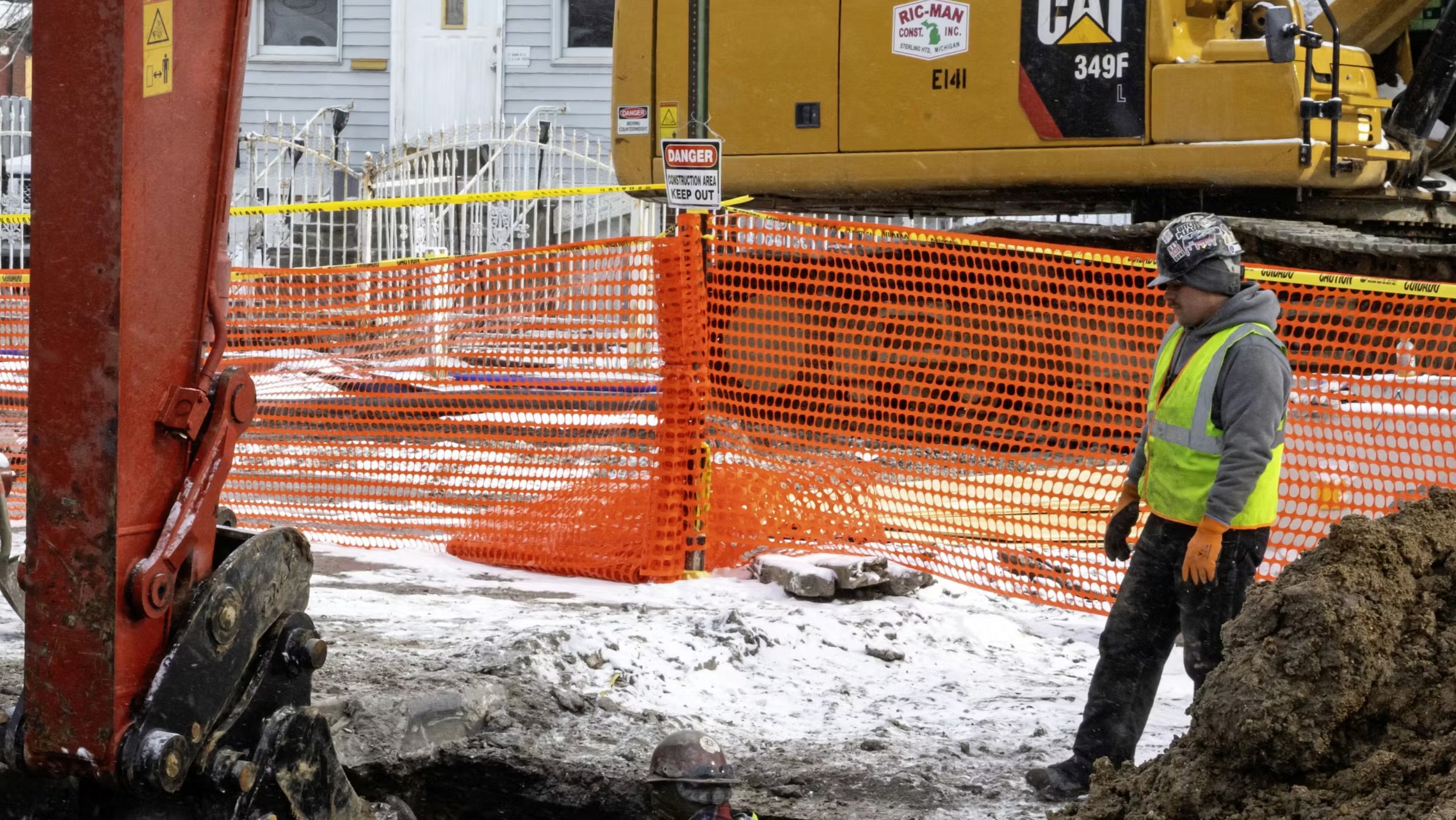
The Great Lakes Water Authority, the regional wholesaler that supplies the Detroit Water and Sewerage Department, voted in late February to raise water rates 5.8 percent and sewer rates 4.26 percent for the fiscal year that starts July 1. Per Planet Detroit, the board approved the increase despite hours of public objection, and trimmed it from the larger hikes staff had first proposed. The authority tied the increase to aging pipes, frequent water main breaks, and a capital program that now consumes roughly half of its roughly $1 billion budget, according to dbusiness.
For Detroit residents, the new rates compound a long climb. Water bills in the city have risen about 400 percent since the late 1990s. The average DWSD residential bill runs about $87.54 a month, a figure that can swallow up to a quarter of disposable income for households below the poverty line, well past the 4.5 percent affordability mark the U.S. Environmental Protection Agency uses as a rough ceiling.
Why Detroit pays more than its neighbors is the subject of recent work by Nicole Van Lier, an assistant professor of urban and environmental studies at Loyola Marymount University, published in The Conversation. Her answer is structural, and it starts with sewage.
Most of a Detroit water bill is not for drinking water at all. About three quarters of it covers wastewater and stormwater treatment, Van Lier writes. That treatment happens at a single Detroit plant, one she describes as the largest single-site treatment facility in the country, which handles the output of a regional sewer grid covering 944 square miles across Wayne, Oakland, and Macomb counties. Suburban communities run their own local pipes, but those pipes feed the Detroit plant. The system serves the city plus 76 suburban communities.
That arrangement was built decades ago. After Michigan rewrote its water pollution law in 1949 to require treatment, the regional sewer network expanded through the 1950s, 1960s, and 1970s to keep pace with suburban growth. The cost split that governs stormwater today traces to a 1999 settlement that Van Lier calls the 83/17 split: Detroit was assigned 83 percent of stormwater improvement costs, with the remaining 17 percent divided among the suburbs. By her accounting, stormwater upgrades have run past $1.5 billion over 25 years.
The result is a lopsided ledger. Van Lier notes that roughly 680,000 Detroit residents shoulder a disproportionate share of regional treatment costs even though the city accounts for only about 23 percent of GLWA's 2.9 million wastewater customers. She frames it as a quieter kind of environmental injustice, not unequal exposure to pollution, but an unequal share of the bill for keeping the region's water clean.
The relief programs meant to soften that math have thinned. Detroit's lifeline rate program supports only about 5,000 residents now, down from roughly 30,000, in a city where close to a third of residents live below the poverty line. More than 170,000 Detroiters have faced water shutoffs since 2014, Van Lier writes.
None of the underlying structure changes in July. The pipes keep aging, rate increases remain the main way water systems raise money, and the regional cost split set in 1999 has not been renegotiated. What changes this summer is only the number on the bill.