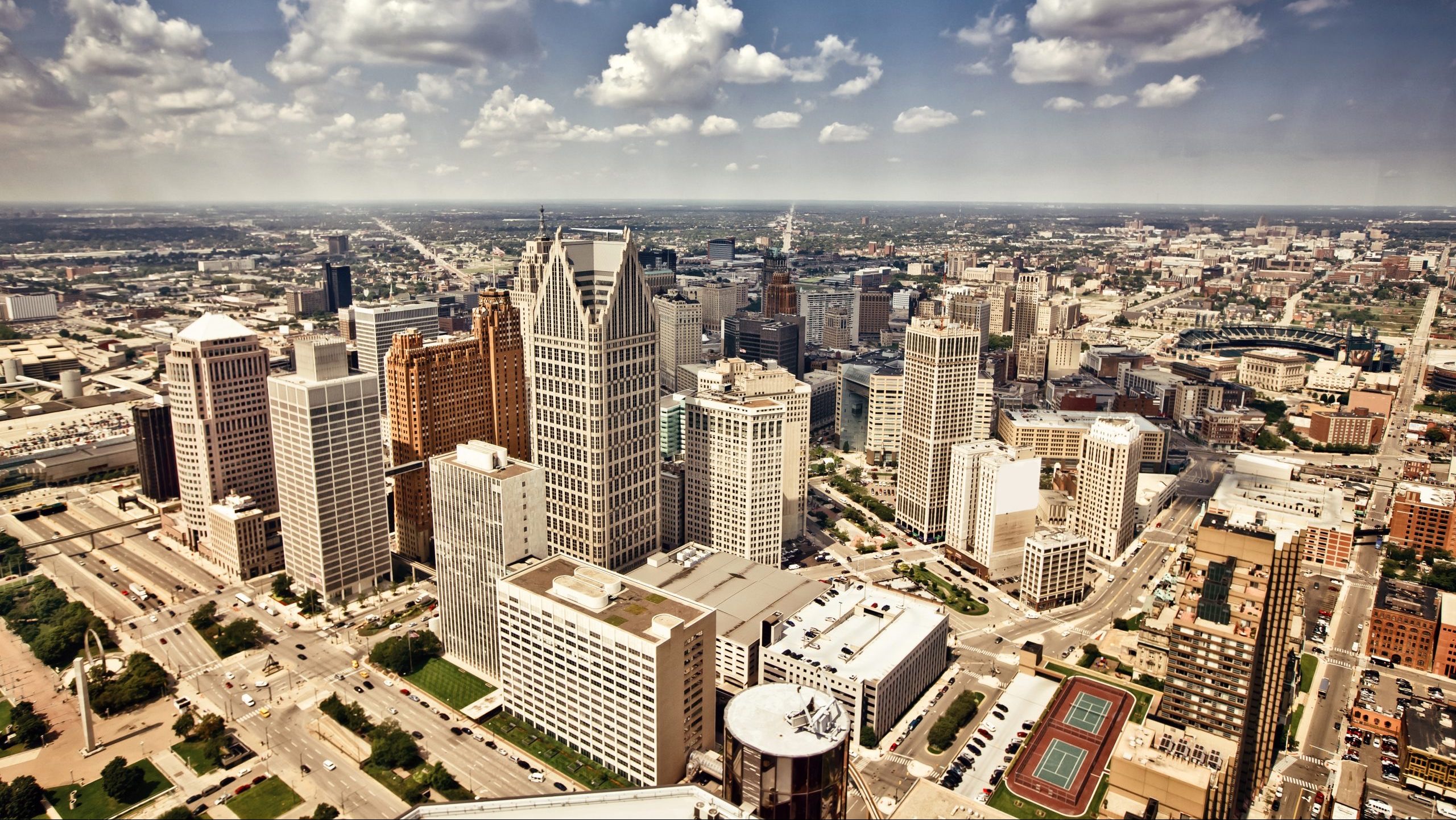
Detroit added about 5,000 residents over the past year, the third year in a row the city has grown after losing population for nearly seven decades. The figures come from the U.S. Census Bureau's Population Estimates Program, which released its 2025 city and town estimates on May 14.
The Census Bureau now puts Detroit at an estimated 649,095 people, up from 644,035 a year earlier. That is a gain of about 0.8 percent in the latest year and roughly 1.7 percent above the city's 2020 count.
The gains have stacked across three years. Per the Census figures, the city added about 3,200 residents in 2023, about 6,600 in 2024, and about 5,000 in 2025, for close to 15,000 more people over the stretch. These are estimates rather than a full count, and the Bureau revises them in later years and at each decennial census, but they are the most current and most widely cited read on a city's direction.
The City of Detroit ties the growth to housing. In its own announcement of the numbers, the city pointed to abandoned homes and apartment buildings being renovated and brought back online, along with new construction on vacant lots. "There are abandoned homes and commercial buildings across the city being renovated, and it's happening at such a fast rate that we expect them to drive more annual population growth," Mayor Mary Sheffield said in the city's statement.
Three straight years of growth is a different story from the one Detroit told for most of the postwar era, when the city emptied out decade after decade. Three modest years do not undo that history in any structural way. But the direction of the line has changed, and that changes the questions in front of the city.
A city built and staffed for a much larger population faces a different set of decisions when people start coming back. The vacant lots, the oversized infrastructure, the school capacity sized for a bigger student body: none of that is solved by a few years of gains. The calculus shifts, though, when the trend points up rather than down.
What the growth means in practice will depend on the details the estimates do not capture on their own. Which neighborhoods are gaining, at what income levels, and whether the gains are spread across the city or concentrated in a handful of high-investment corridors will shape what the new residents mean for services, taxes, and housing.
For now, the headline number is three years up. Detroit's count is moving in a direction it has not held consistently in a very long time.