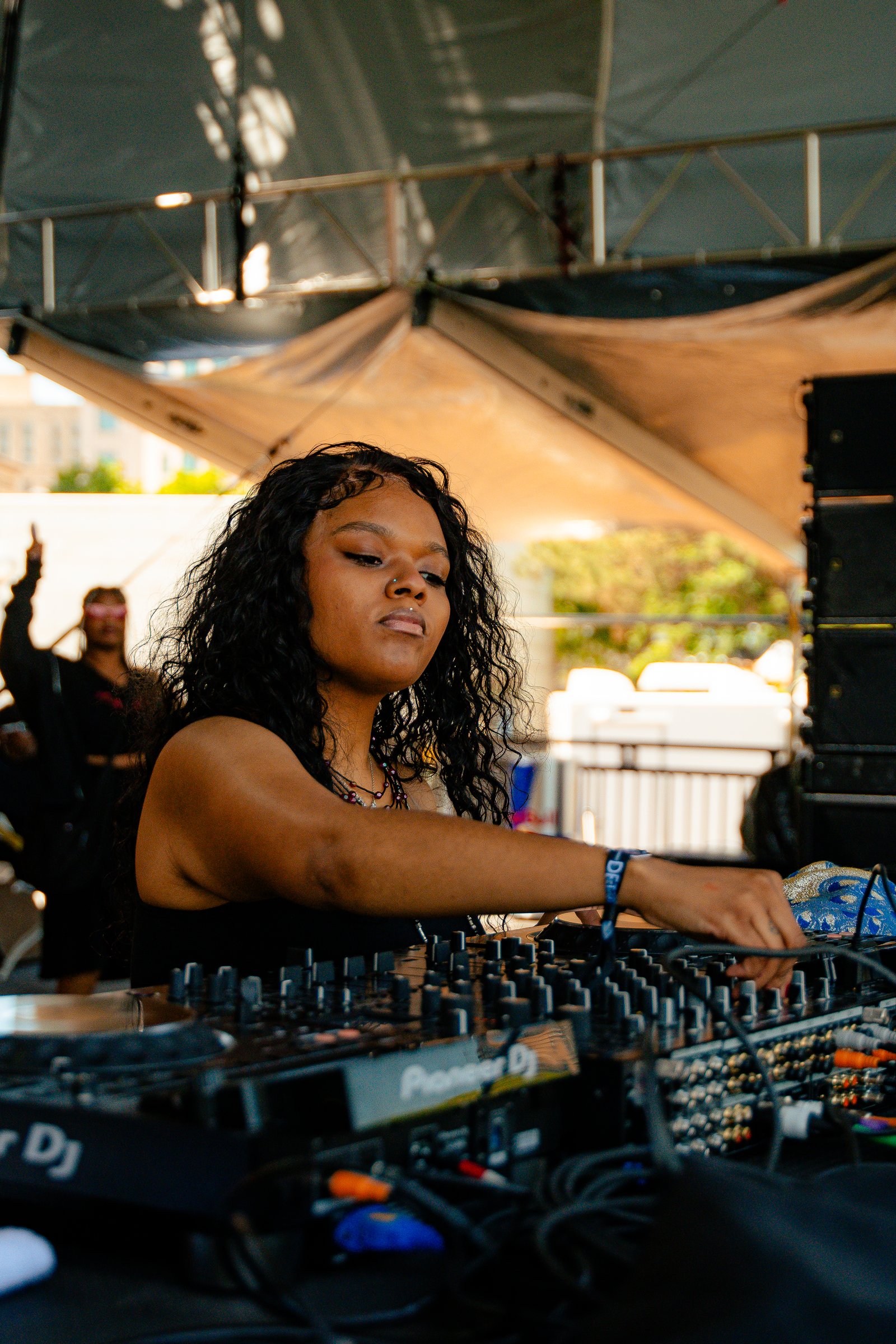
The 2026 Movement Music Festival is Paxahau's twentieth at the helm. The Detroit production company took over the festival in 2006 and has produced it every Memorial Day weekend since, at Hart Plaza, under the Movement name.
Paxahau was founded in 1998 by Jason Huvaere and Jason Clark, with Sam Fotias as a longtime director of operations. It started as a web operation built around Detroit's electronic music community, archiving and streaming sets and serving as a hub for the scene. The company moved into live event production over the following years and was a fixture of the city's techno calendar by the early 2000s.
Huvaere and Clark still run it, with Fotias steering operations. The company has stayed lean, with a year-round core team that books shows and runs side events, scaling up with seasonal staff around the festival weekend.
The festival Paxahau inherited was in trouble. Detroit's Memorial Day electronic music event began in 2000 as the free Detroit Electronic Music Festival, produced by Carol Marvin's Pop Culture Media at Hart Plaza through 2002. Derrick May took over production in 2003 and 2004 under the Movement name. Kevin Saunderson ran the 2005 edition as Fuse-In, then stepped away. By the time Paxahau secured the venue and dates from Saunderson and produced the 2006 festival as Movement, the event had cycled through three producers and a stretch of financial losses, per the record of the festival's early years.
Huvaere has not been shy about how rough that inheritance was. "The event at that time was a mess," he told Billboard. "It lost money six years in a row and had had three different producers."
The 2006 festival was a stabilization year. Paxahau kept the Movement name, set a simple pricing structure, and got the event running on schedule again. From there it grew into one of the longest running dance music events in the world, drawing an international audience to Detroit each spring.
Two decades on, Paxahau is the most durable institution in Detroit's electronic music industry. It has outlasted most of the city's clubs and, by festival weekend, employs more people than the labels and collectives that built the sound. The festival has run on time, paid its artists, held the contract for twenty years, and kept Detroit techno on the global calendar.
The criticism from the underground is steady and fair to air. The bookings have leaned commercial. The festival has not always reflected the full breadth of the city's working DJs. The defense from inside the industry is just as steady: the company kept a failing festival alive, made it solvent, and never let it leave Hart Plaza. Both can be true.
The company's footprint now runs past the festival weekend. Paxahau books shows year-round and the Movement brand has been carried into other cities, including a licensed edition in Turin, Italy. Hart Plaza is still the anchor. Memorial Day weekend is still the calendar. The 2026 edition runs May 23 through 25.
Paxahau's twentieth.