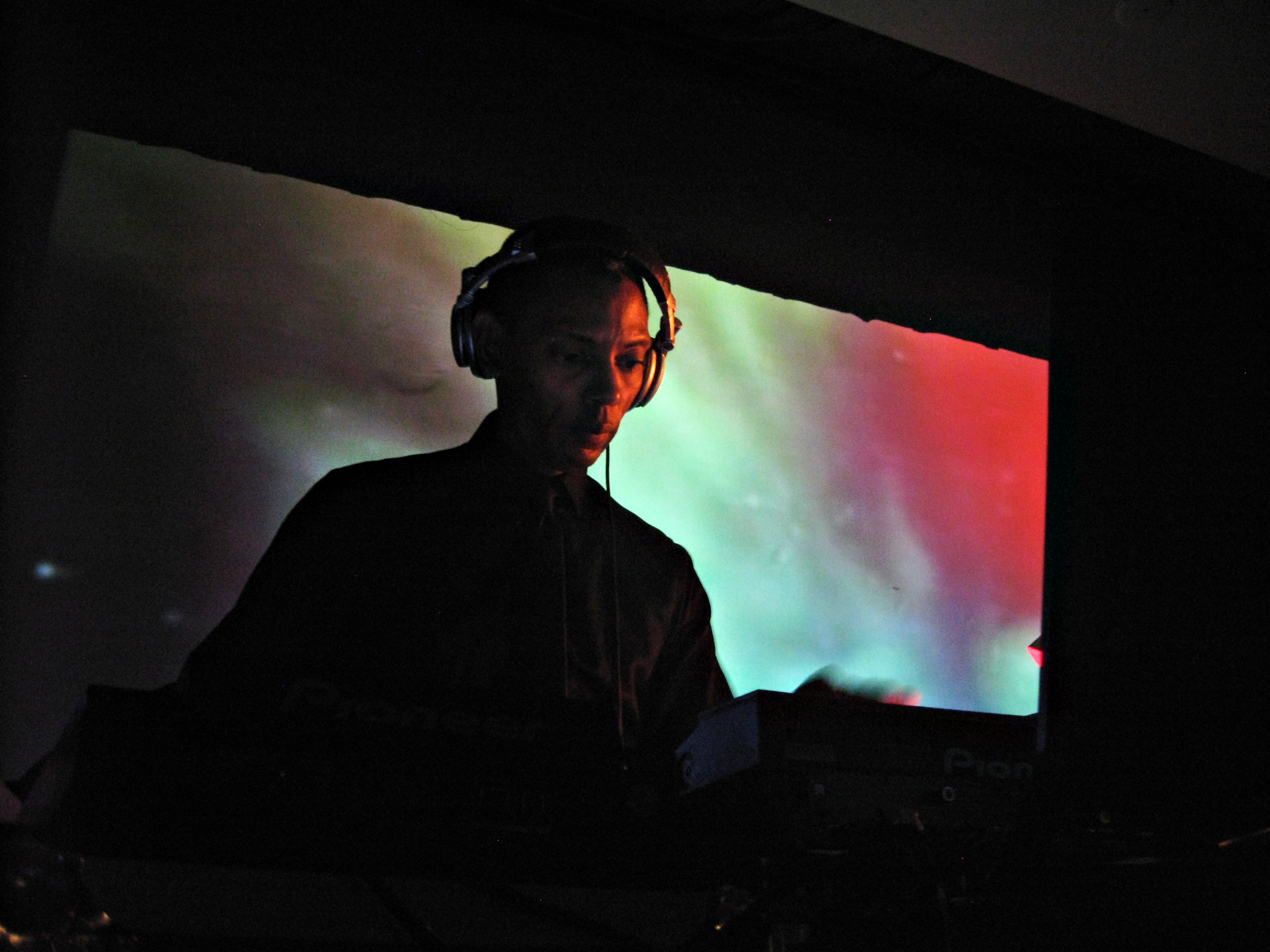
Jeff Mills was born in Detroit on June 18, 1963, according to the Detroit Historical Society. He became a city name on the radio before he ever pressed a record, hosting a program as The Wizard and mixing techno, electro, and dance records at a speed that set him apart. Those sets, several of which have surfaced as old tape rips and on YouTube, are still cited by DJs as an early reference point for fast, precise, multi-deck mixing.
Underground Resistance was the next chapter. Mills helped start the techno collective in the late 1980s with "Mad" Mike Banks, with Robert Hood joining the core group. The Detroit Historical Society frames the project as a foil to techno's growing mainstream appeal, and its records, released through Berlin's Tresor, helped carry American techno onto European shelves. Mills held a residency at Tresor during these years before stepping out on his own.
The label is the spine of the solo work. Mills founded Axis Records in 1992, and the imprint's own company history says he registered it in New York City that year, moved the office to Detroit in 1993, then to Chicago in 1994, and finally to Miami in 2017. Across more than three decades he has kept Axis to a tight, austere look: clean catalog numbers, spare sleeves, and little marketing copy. The catalog runs deep, anchored by the Waveform Transmission records of the early 1990s and by "The Bells," which became the genre's most recognizable single and a fixture in his sets. In 2012 the label marked its 20th anniversary with a book-and-CD set called Sequence.
The DJ work is what people argue about. Mills uses three turntables and a Roland TR-909, mixes faster than most of his peers, and treats a set as a composed piece rather than a crowd-read arc. He has said in interviews that he plans his sets in advance down to the level of seconds, and his recorded mixes are the documentary record of how that works.
The orchestral and film work is the second act. Mills wrote a score for Fritz Lang's "Metropolis" and has performed his concert material with symphony orchestras in Europe. The "Tomorrow Comes the Harvest" project paired him with the late Afrobeat drummer Tony Allen, who died in 2020; their record came out in 2018 on Blue Note, with Mills on live 909 and effects, and Axis Records lists the release among its catalog. The collaboration has continued in expanded form with other players after Allen's death.
Detroit still claims him. Mills plays Movement most years, and in 2025 the festival's organizers, Paxahau, added him as a Day 1 headliner after a late lineup change.
The math on a four-decade career in techno is unusual. Many of his peers slowed down, signed to a major, or stopped putting out records. Mills has done none of those. The catalog keeps moving.