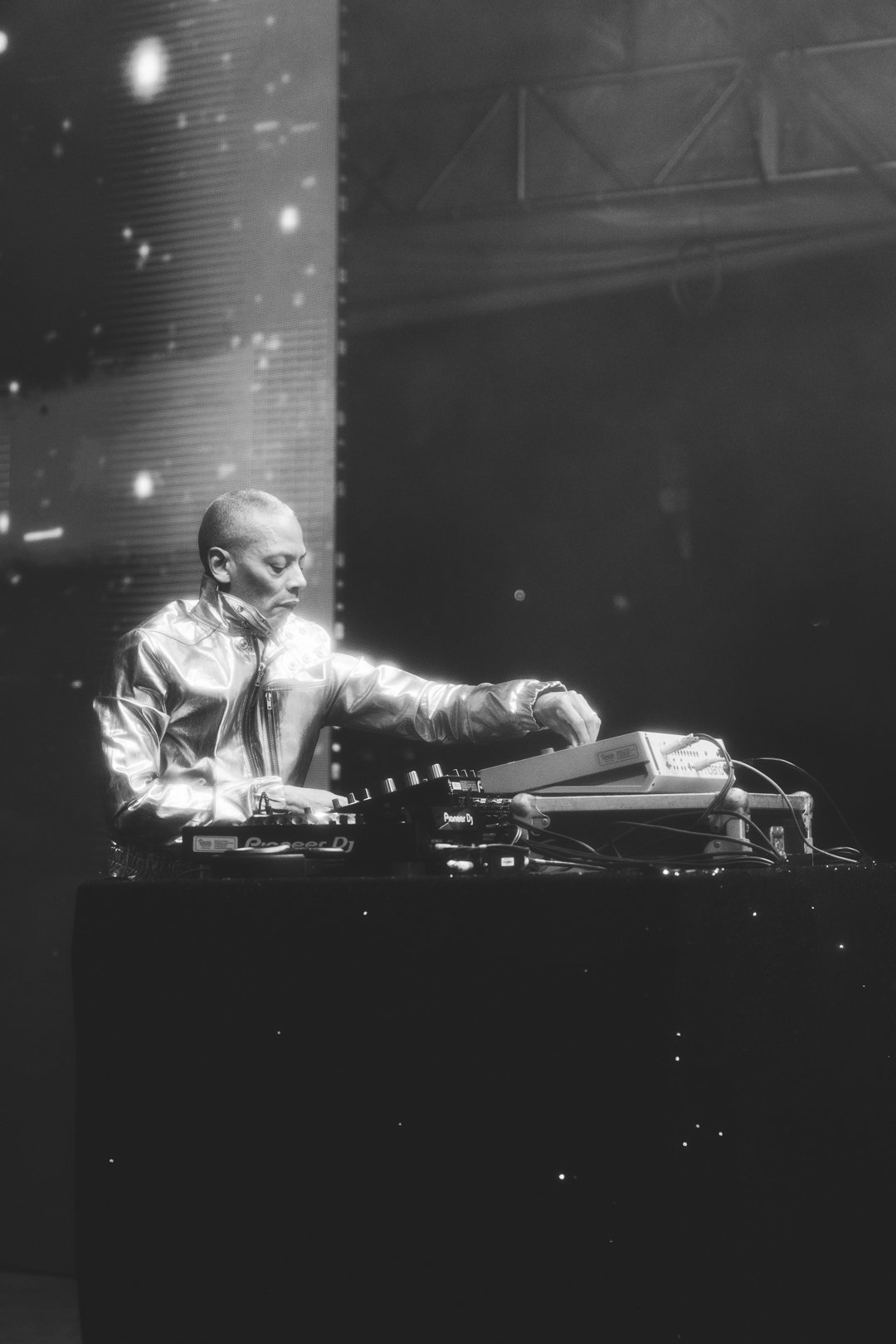
Jeff Mills has been DJing professionally since the early 1980s. The Detroit techno producer's catalog runs across more than three decades and roughly 60 releases on Axis Records, the label he founded in 1992 after leaving Underground Resistance.
Mills grew up in Detroit and went on the radio at WDRQ and WJLB in the early 1980s as The Wizard, mixing techno, electro, and Italian disco at a pace that made him a name in the city before he had ever pressed a record. The Wizard sets, some of which have surfaced as cassette rips and on YouTube, are still cited by DJs as the early reference for fast, precise, multi-deck mixing.
Underground Resistance was the next chapter. Mills co-founded UR with Mike Banks in 1989, with Robert Hood joining shortly after. The X-101, X-102, and X-103 albums, released on Tresor in Berlin starting in 1991, are the records that put UR's American techno on European shelves. Mills left UR around 1992 to start Axis. The music was the priority and the label needed to be his.
The Axis catalog is the spine. "Waveform Transmission Vol. 1" came out in 1992. "Vol. 2" in 1993. "Vol. 3" in 1994 on Tresor. "The Bells," released in 1996 as part of the Other Day EP, became the genre's most recognizable single. Mills has kept Axis to a tight aesthetic — clean catalog numbers, monochrome sleeves, no marketing copy — for over thirty years.
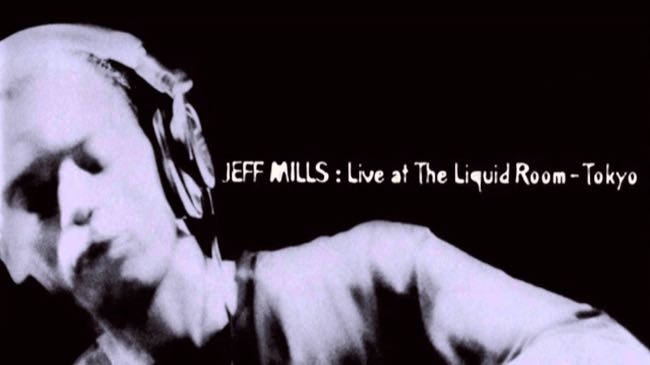
The DJ work is what people argue about. Mills uses three turntables and a Roland TR-909, mixes faster than most of his peers, and treats sets as composed pieces rather than crowd-read arcs. He has said in multiple interviews that he pre-plans his sets at the level of seconds. The Liquid Room mix, recorded at Tokyo's Liquid Room in 1995, is the documentary record of how he works.
The orchestral and jazz work is the second act. Mills wrote a score for Fritz Lang's "Metropolis" that has played at film festivals since 2000. He has performed with the Montpellier National Orchestra, the Sinfonieorchester Basel, and pianist Mikhail Rudy. The "Tomorrow Comes the Harvest" project with the late Afrobeat drummer Tony Allen, recorded in 2018 before Allen's death in 2020, has continued in expanded form with Prabhu Edouard and Jean-Phi Dary.
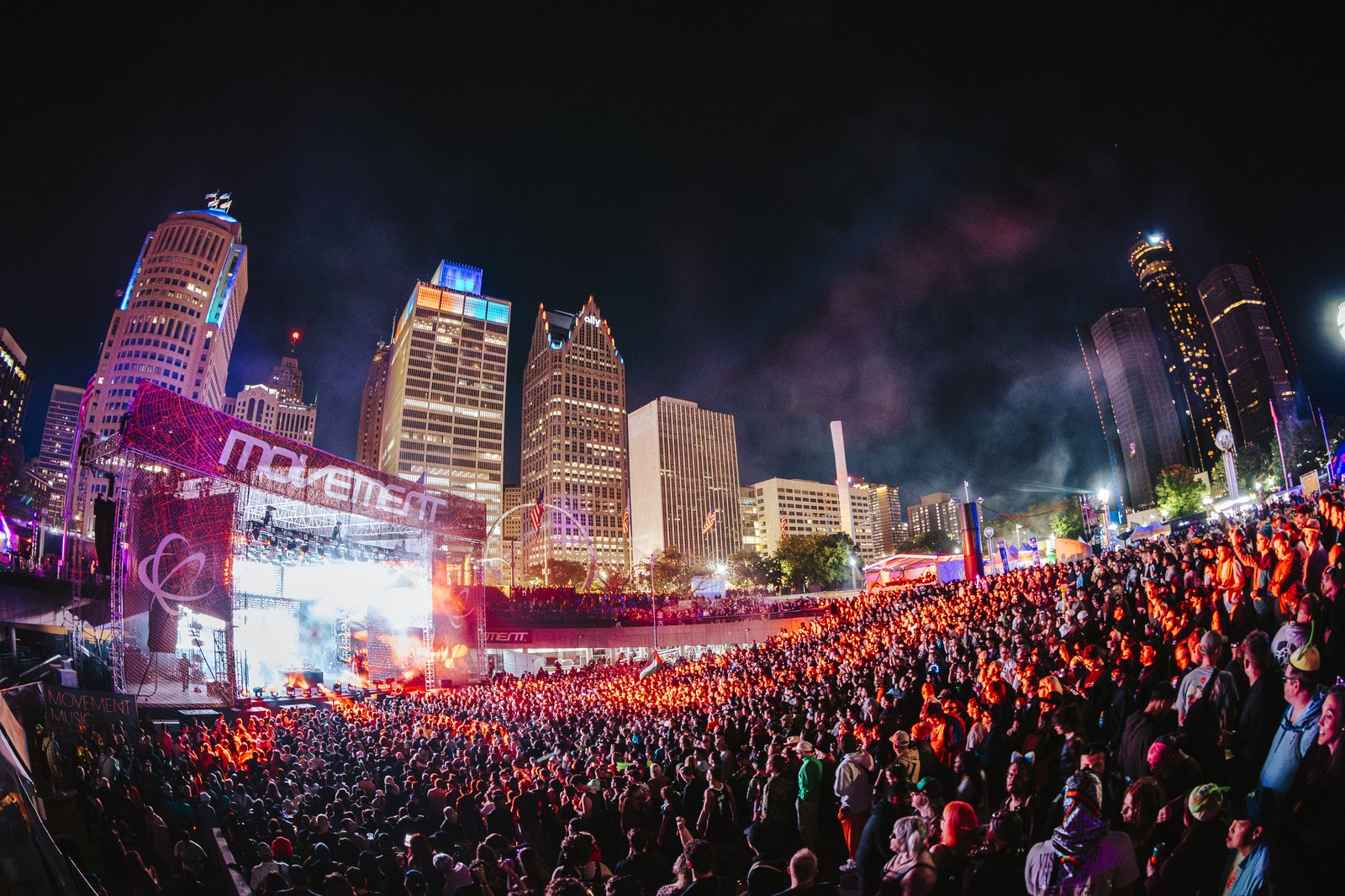
Mills lives between Detroit, Chicago, and Paris depending on the year. He plays Movement most years and is one of the artists Paxahau treats as a perennial main-stage closer.
The math on a 40-year career in techno is unusual. Most of his peers have either slowed down, signed to a major, or stopped putting out records. Mills has done none of those. The catalog keeps moving.