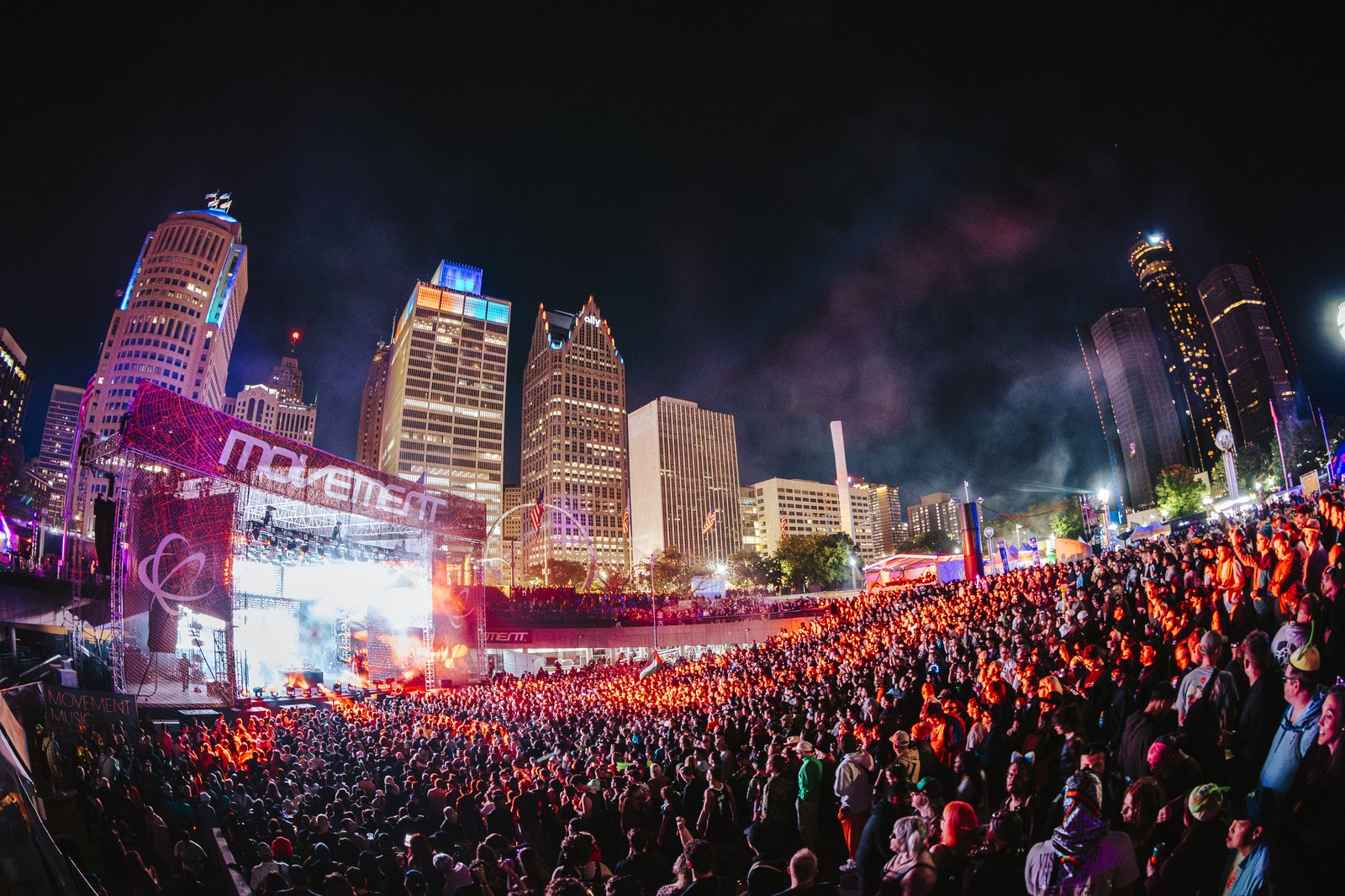
The 1988 Virgin compilation "Techno! The New Dance Sound of Detroit" was a UK record. It sold in the UK first, got reviewed in the UK first, and broke Detroit techno into Europe before the genre had a meaningful audience in its own city. Two years later, Berlin took over as the European home base, and the lineage that runs Detroit-Berlin is still the load-bearing axis of the global scene.
Tresor opened in March 1991 in the basement vault of the former Wertheim department store on Leipziger Strasse, in what had been East Berlin until 18 months earlier. The Wall had come down in November 1989. The club was, almost literally, in the rubble. Dimitri Hegemann ran it. The building was raw concrete, no ventilation to speak of, and the room sounded like a metal box.
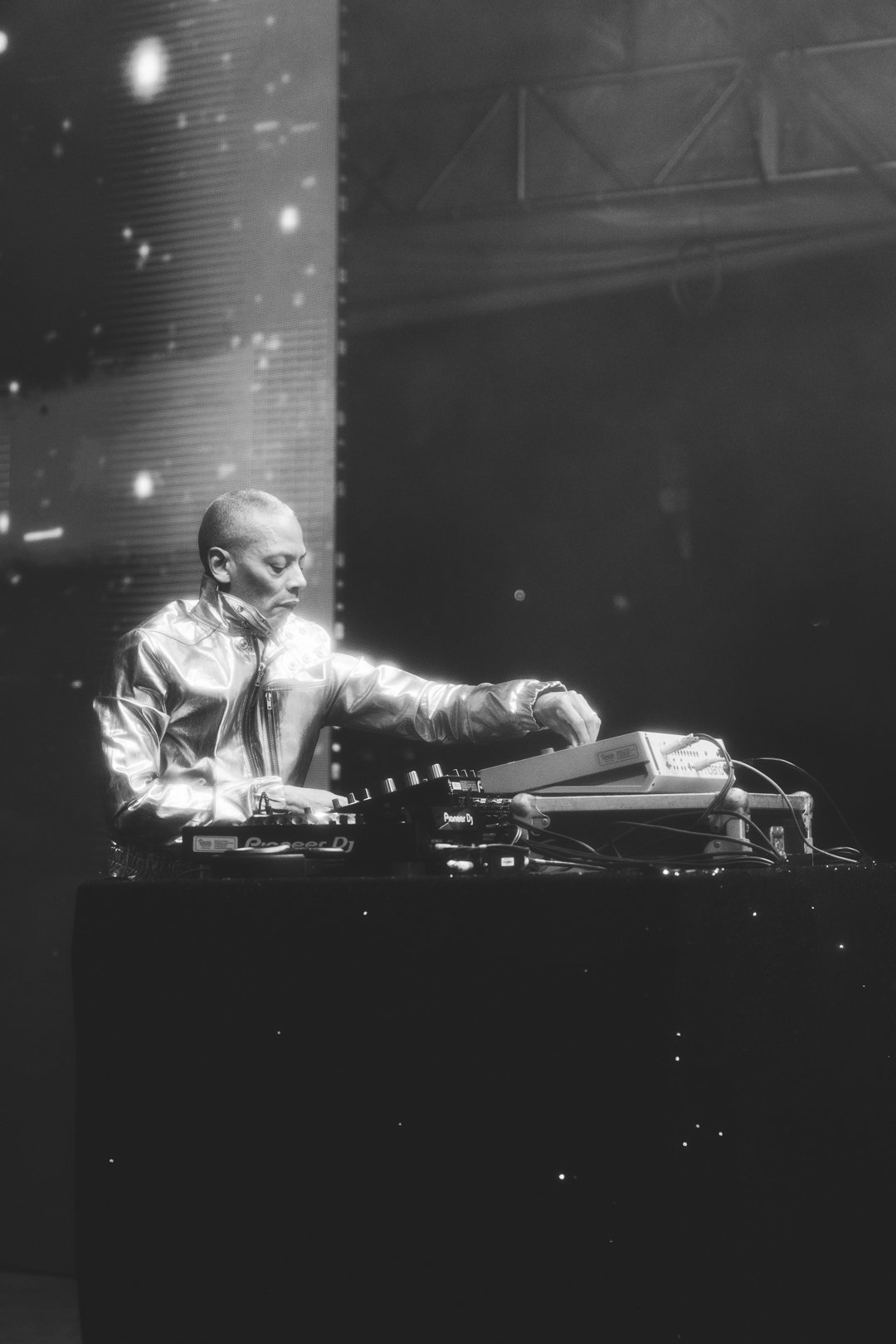
The booking decision that made Tresor matter was that Hegemann pointed it at Detroit. The first international guest list was almost entirely UR and Submerge artists. Jeff Mills, Mike Banks, Robert Hood, Blake Baxter, Eddie Fowlkes. The Tresor record label launched the same year, and its first release was X-101, the Mills/Banks/Hood project. Tresor 2 was Eddie Fowlkes. The early catalog reads like a Detroit roster with a Berlin postal code.
What Hegemann was offering was infrastructure the Detroit artists did not have at home. Regular bookings. European touring routes. Vinyl distribution into Germany, France, the UK, and Japan. Royalties paid on time. For UR specifically, which had been running on independence and refusal to sign US major-label deals, Tresor was a way to scale globally without giving up the model.
The exchange ran in both directions. Detroit artists went to Berlin and stayed. Mills lived there for years. Hood was there often. The German producers absorbed the Detroit blueprint and started making records inside it. Hardwax, the record store opened in 1989 by Mark Ernestus and Moritz von Oswald, became the European clearinghouse for Detroit imports. Basic Channel and Rhythm & Sound, the Ernestus/von Oswald projects, are Detroit techno read through dub.
The Berghain era extended the line. Berghain opened in 2004 in a former power plant in Friedrichshain. Panorama Bar, the upper room, opened the same year. The booking policy is a direct descendant of Tresor's: Detroit artists are house family. Mills, Hood, Theo Parrish, Moodymann, Carl Craig, DJ Holographic, DJ Minx, Mike Servito, the next generation that grew up in the lineage. Berghain residencies are the closest thing the genre has to a permanent home, and most of the names in the rotation are Detroit-rooted.
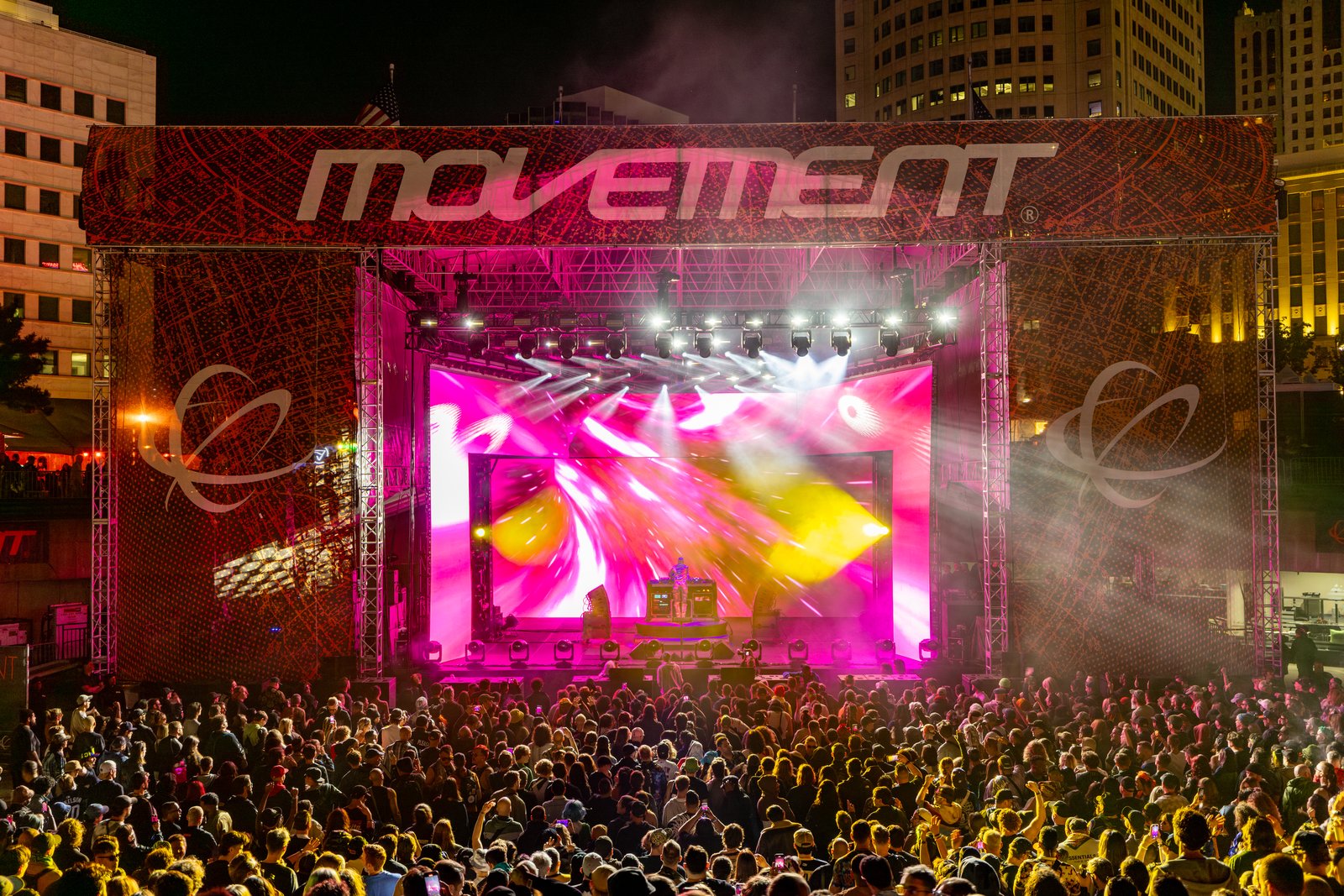
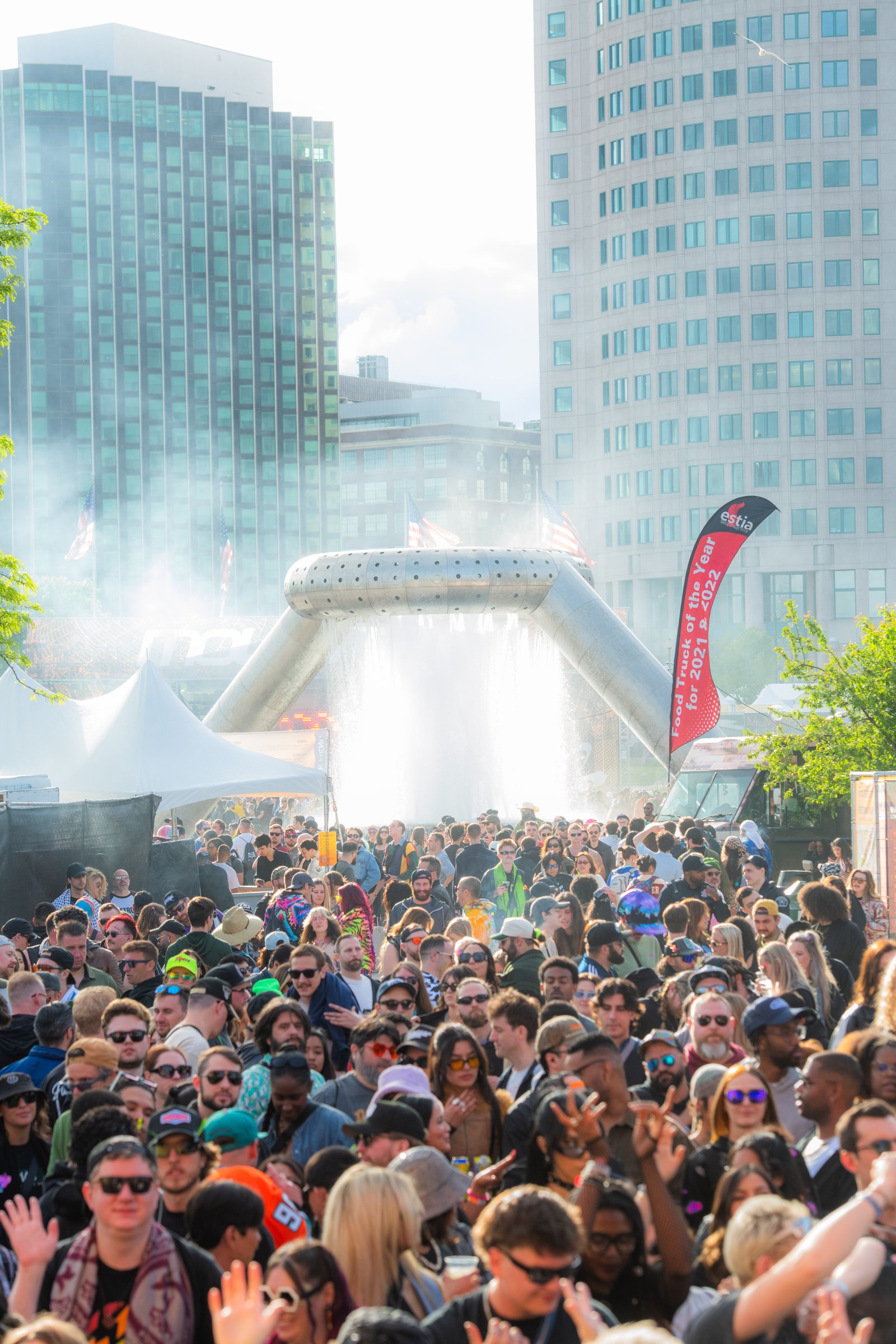
The math is straightforward. Detroit produced the music. Berlin built the infrastructure to sell it, distribute it, and play it weekly. Thirty-five years on, both halves of that arrangement still hold. A Detroit DJ landing in Berlin is going to play Tresor or Berghain within the year. A Berlin DJ visiting Detroit is going to play Marble Bar, Spot Lite, or Lincoln Factory. The flight goes both ways and has since 1991.