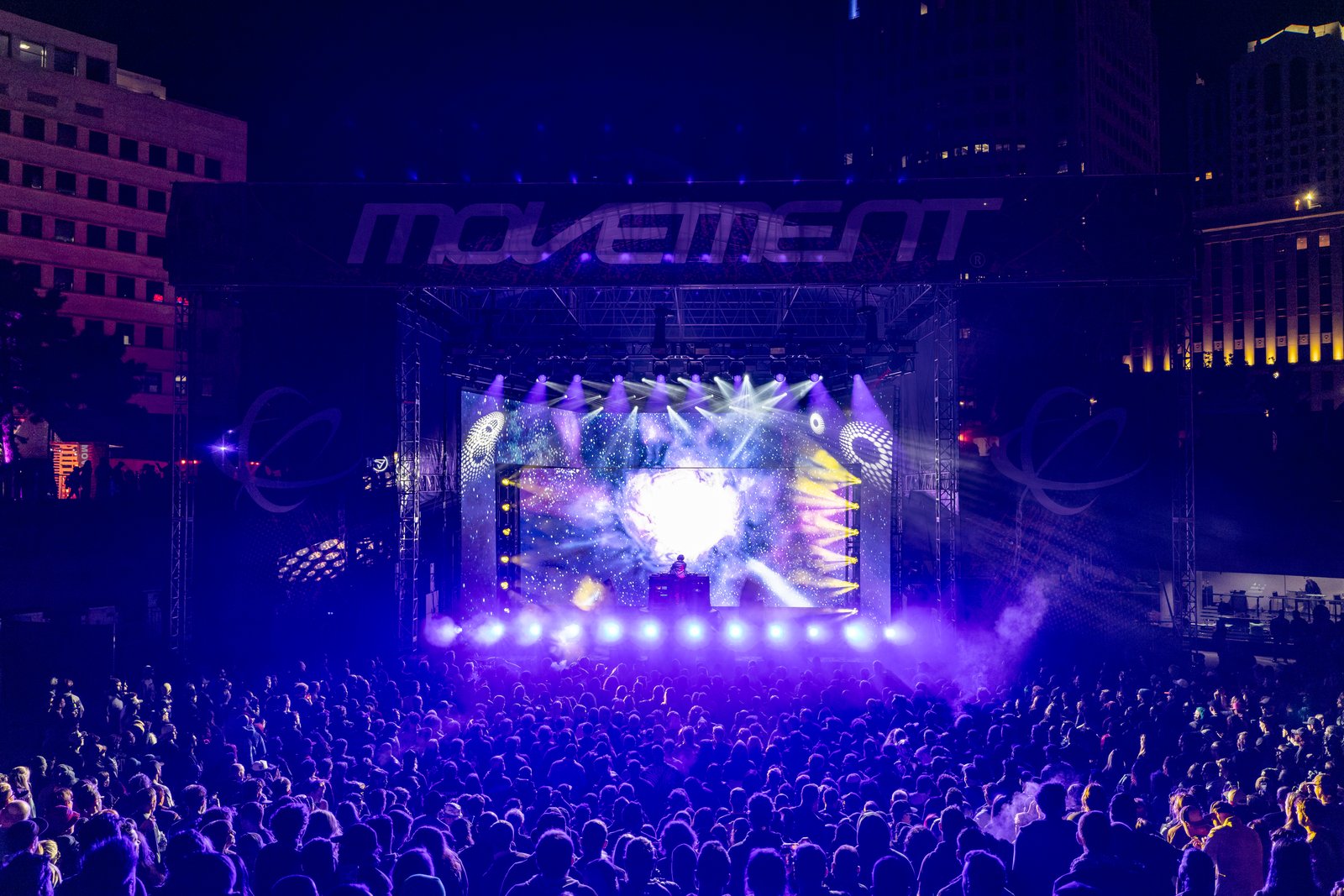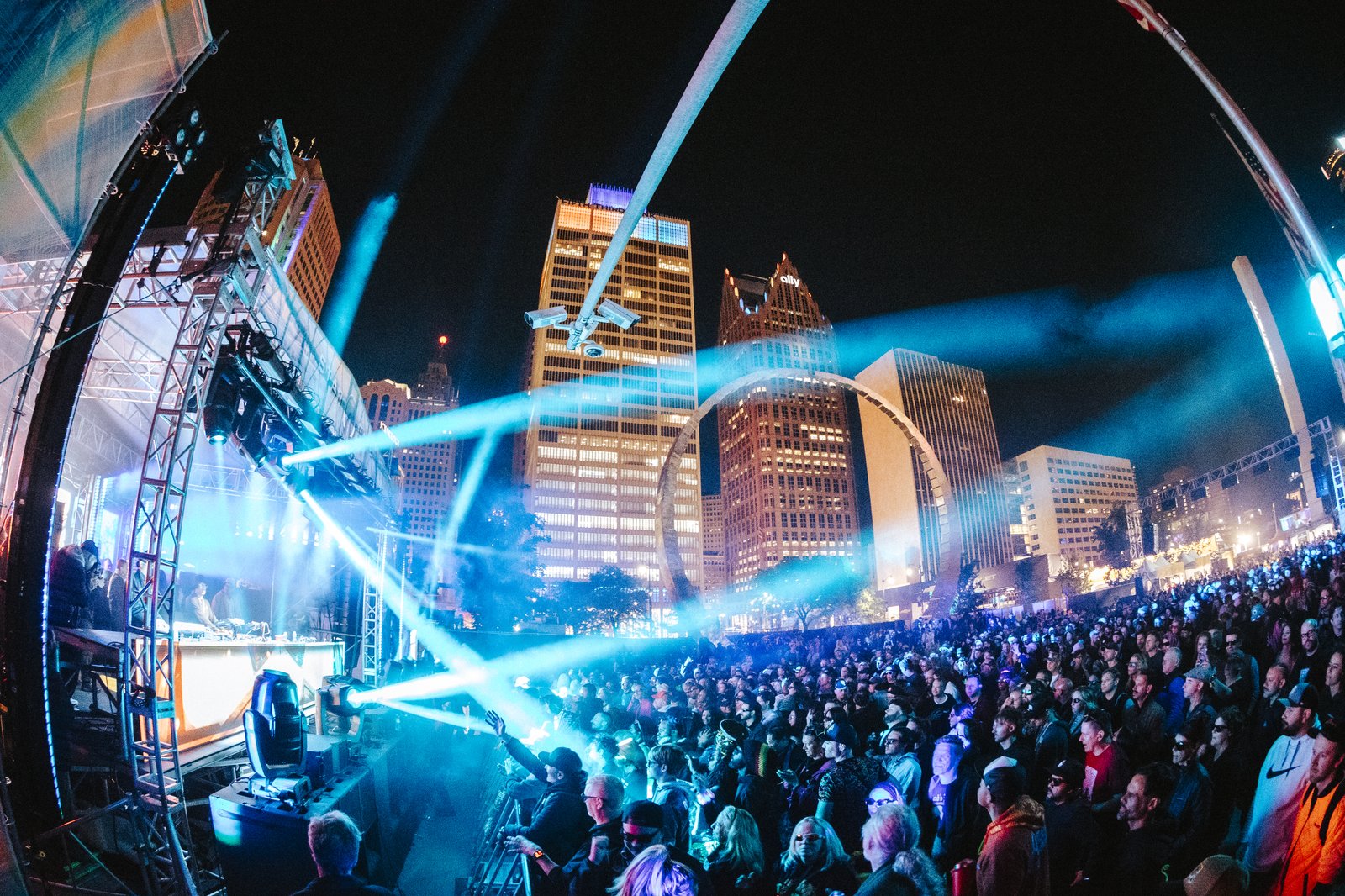
Hart Plaza opened to the public in 1975. Isamu Noguchi designed it. Fourteen acres of plaza, fountains, sculpture, and amphitheater set on the Detroit River across from Windsor.
The plaza was conceived as the city's civic-square answer to a generation of postwar urban planning, anchored by the Horace E. Dodge and Son Memorial Fountain at its center and Noguchi's 120-foot stainless steel Pylon at its edge. An amphitheater filled the lower level. By the early 90s, the plaza had become the default venue for Detroit's largest free public festivals — the Detroit Jazz Festival, the African World Festival, the Detroit International Riverfront Festival, the Cinco de Mayo concert, on rotation through the summer.
In May 2000, the city added one more.
The first Detroit Electronic Music Festival was free, lasted three days over Memorial Day weekend, and drew a crowd nobody at City Hall had budgeted for. Carl Craig was the creative director. Carol Marvin's Pop Culture Media produced. Estimates from contemporaneous coverage put attendance at over a million across the weekend, though the methodology was unclear and the number has been disputed since. What was not disputed: Hart Plaza had not held that many people at once in two decades.
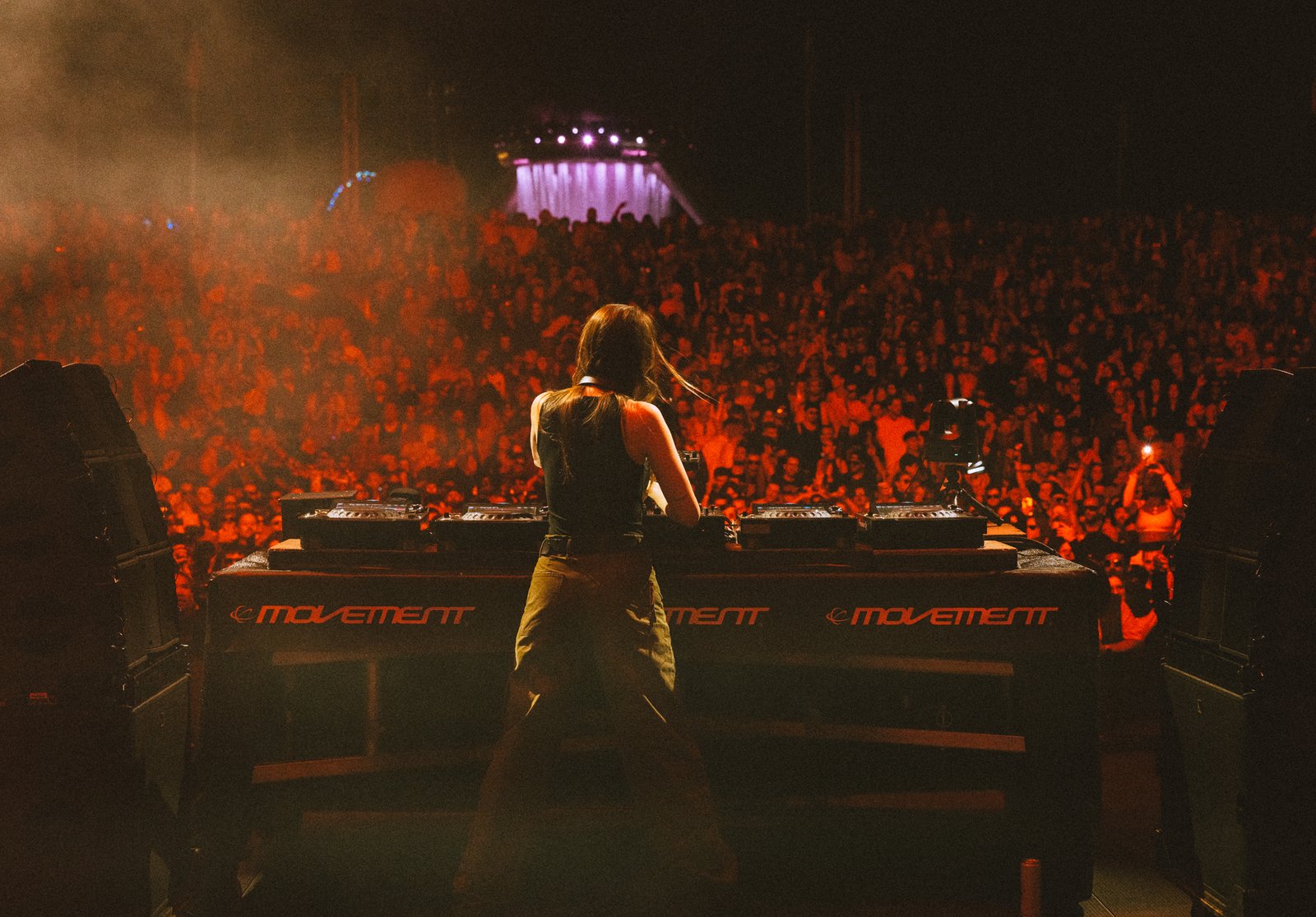
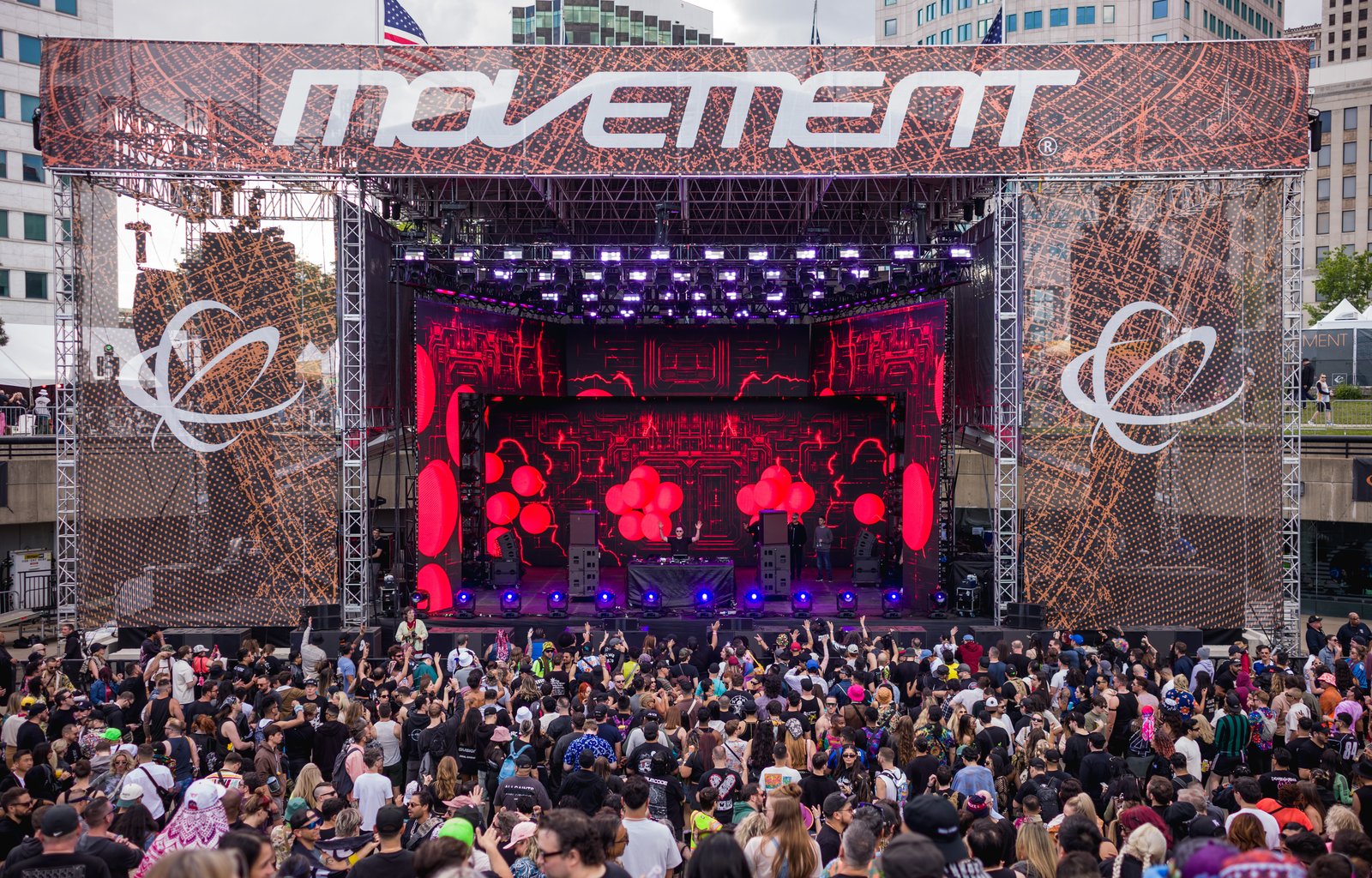
The festival has run on the plaza, with two interruption years and several name changes (DEMF, Movement, Fuse-In, Movement again), every Memorial Day weekend since. Paxahau took stewardship in 2006. The festival went ticketed in the same period.
The plaza's fit with techno is, by most accounts, partly about the architecture and partly about the geography. Noguchi designed the lower terrace as a sunken bowl with concrete sightlines that route sound back toward the audience. The Pyramid Stage sits in that bowl. The Underground Stage runs below grade in the amphitheater Noguchi cut into the slope. The Detroit and Stargate stages flank the upper plaza on either side of the fountain. The Movement Stage faces the river. From the right corner of the upper plaza, on a Sunday night, all six stages are within a 90-second walk.
Hart Plaza has had less use in the last decade than it had in the 90s. The city redirected some festival programming to the redeveloped riverfront east of the plaza, the Aretha Franklin Amphitheatre took over the larger ticketed concert load, and the 2008-onward downtown rebuild moved foot traffic in other directions. Movement is still the largest single event on the plaza most years.
The plaza is owned by the City of Detroit. The Detroit Riverfront Conservancy operates the broader riverfront but not the plaza itself. Maintenance has been a recurring civic issue; the fountains have been offline for stretches in the 2010s and 2020s. Capital improvements were funded in 2024 as part of a broader downtown redesign plan, with completion projected for 2027.
The festival is the test of whether the plaza still works. By most accounts, it still does.
Hart Plaza, 1 Hart Plaza, Detroit.