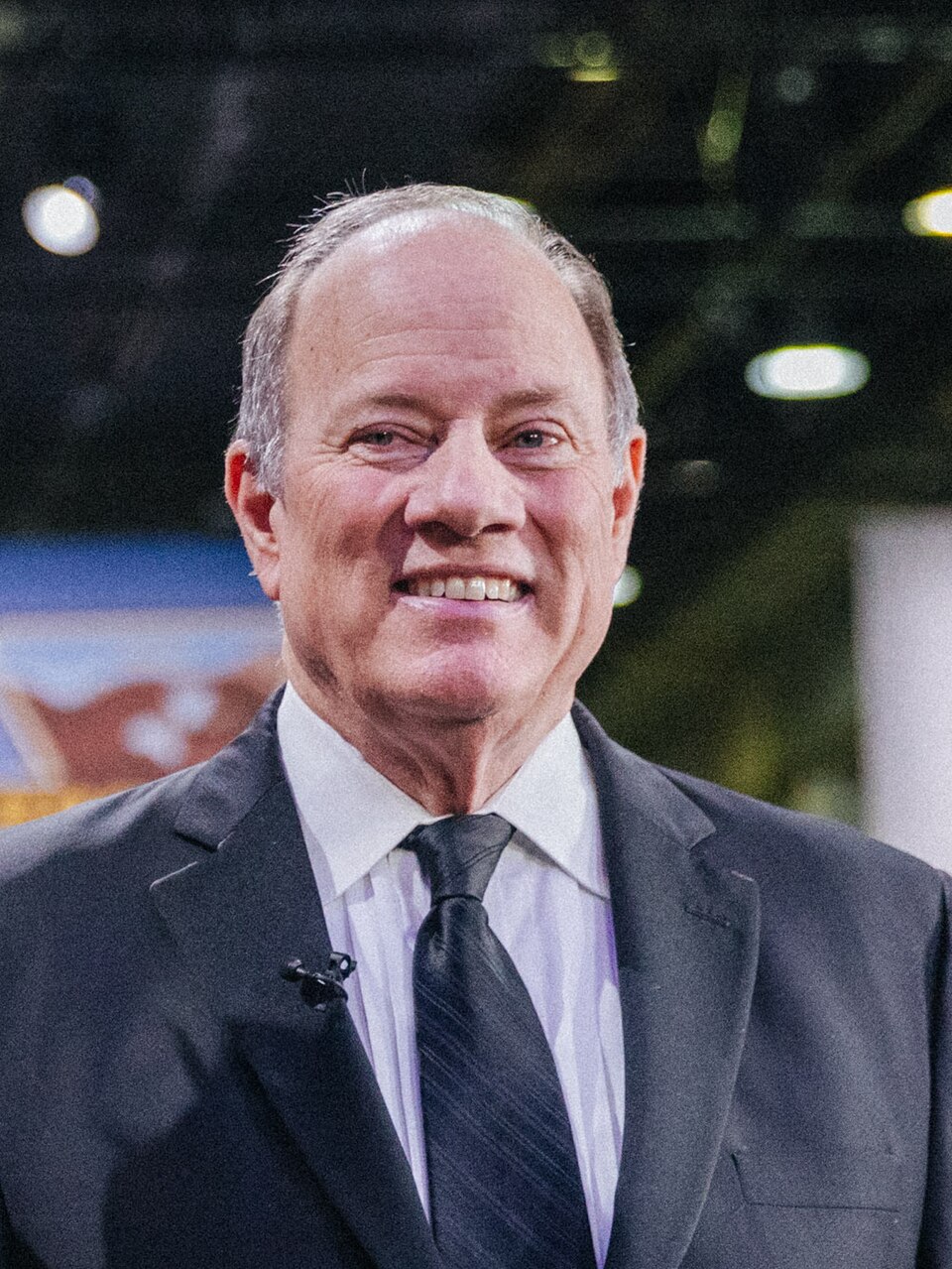
Mike Duggan ended his independent campaign for Michigan governor on Thursday, closing an 18-month run that tried to carve a third lane between the two major parties. The former Detroit mayor announced the decision in a letter to supporters, which his campaign and several news outlets circulated that morning.
Duggan had been an unusual entry in the race from the start. A longtime Democrat who left the party in 2024, he announced his independent bid for governor on December 4 of that year, betting that voters tired of partisan fighting would back a candidate running outside both party structures. He had served as Detroit's mayor since 2014, first winning the office as a write-in candidate in 2013, and the city's bankruptcy exit, demolition fights, and slow neighborhood reinvestment all played out on his watch.
In the letter, Duggan pointed to two problems he said he could not solve in time. The first was a shift in the national mood. "By April, the mood of the country had shifted suddenly and dramatically," he wrote, describing Democratic and independent voters as unified in anger over the war in Iran and gas prices above five dollars a gallon. He said internal polling tracked the same trend, and cited a Chamber poll from the prior week that put him 11 points behind the Democratic candidate.
A polling gap alone would not have stopped him, he wrote. "Being down 11 points in May wouldn't discourage me. I've been down worse than that in the past." The harder issue was money. Duggan said 94 percent of his donors came from Michigan and that he had raised more in-state than any other candidate, but that governor's races are funded largely through national party networks. He said he had traveled the country trying to build a comparable fundraising operation for independents and concluded it was "too much in its infancy" to compete in 2026.
"If we were even in the polls and behind in fundraising, we have a path to winning," he wrote. "But we're behind in both." He said it would not be right to ask volunteers, faith leaders, unions, and donors to keep going in a campaign he no longer believed he could win.
Duggan framed the exit as something other than defeat. He said he ran "to try to change our politics, not to be a spoiler," and pointed to his last poll showing 23 percent support, which he translated to more than 1.6 million Michigan voters looking for a candidate focused on lowering the partisan temperature. He asked the candidates still in the race to court those voters directly.
The August 4 primary proceeds without him. The Democratic field includes Secretary of State Jocelyn Benson, Genesee County Sheriff Chris Swanson, and Kim Thomas. The Republican field includes Rep. John James, former Attorney General Mike Cox, businessman Perry Johnson, and State Sen. Aric Nesbitt.
For Detroit, the more immediate fact is that a name on the city's ballot for more than a decade is now off it. Duggan is a private citizen again, and the argument over what his years as mayor meant for the city will outlast the campaign that just ended.