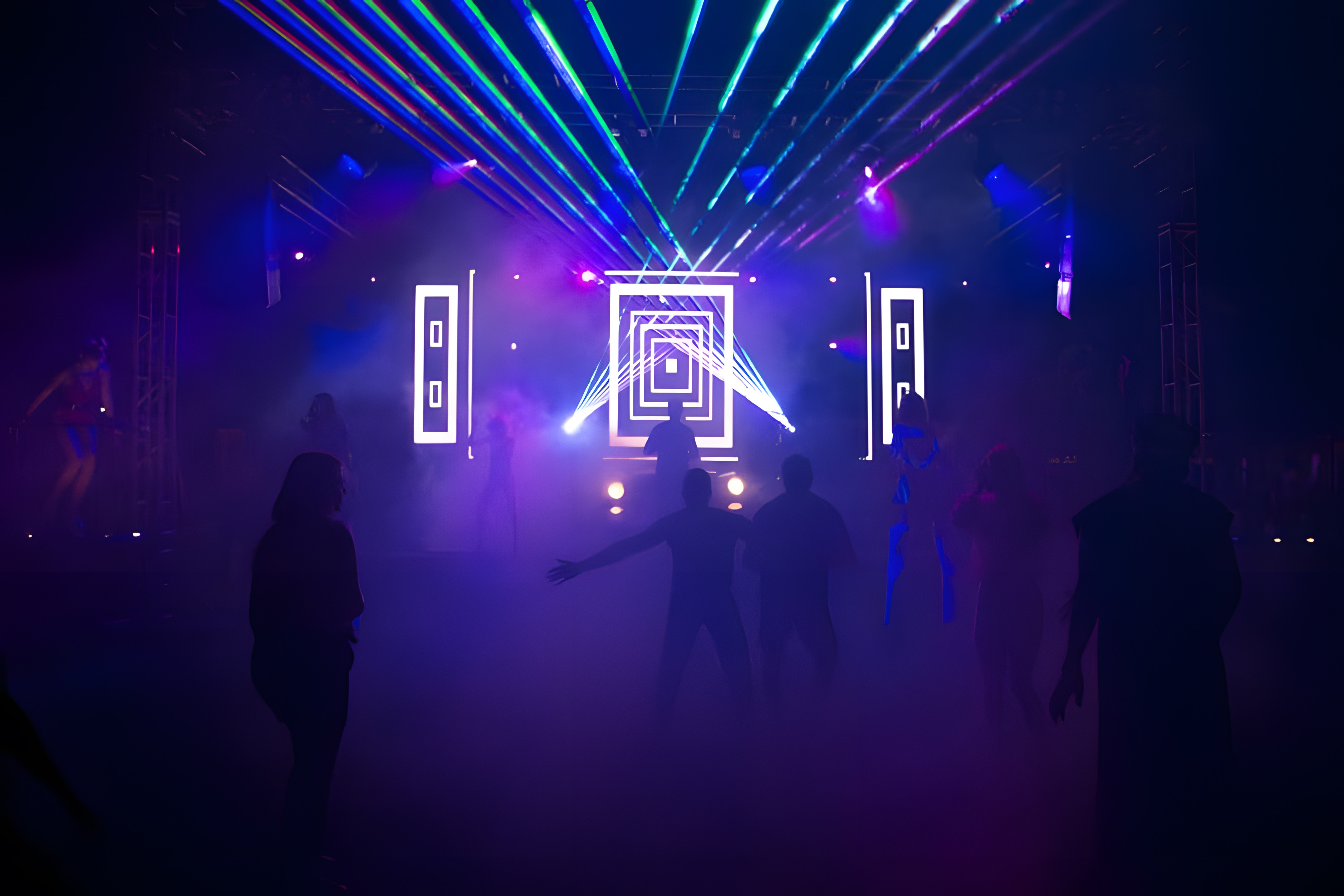
Movement Music Festival 2026 runs Memorial Day weekend, May 23 through 25, at Hart Plaza on the Detroit River. The lineup carries more than 115 artists, with Carl Cox, Dom Dolla, and Sara Landry at the top of the bill. Detroit names anchor the rest of it. Kevin Saunderson, one of the city's techno originators, plays a solo set and appears again as E-Dancer alongside his son Dantiez. Carl Craig, DJ Minx, DJ Godfather, and Terrence Dixon are all booked across the weekend.
That is the festival on the river. The festival away from the river is a different map, spread across day parties and after-parties that run well past the main gates.
One of those rooms is Foxglove. It is not a cocktail bar with a velvet rope. Foxglove is a vinyl-only listening garden in Detroit's North End, with its garden entrance at 267 Leicester. Metro Times called it the city's first listening club built into an urban garden. It is a registered 501c3 nonprofit, a do-it-yourself project stitched together from vinyl culture, listening-bar ideas, and urban gardening, set across a garden, a garage, and a courtyard.
The programming is all vinyl, always. There are no three-day passes here and no shuttle from the airport. During Movement weekend, Foxglove runs its own day party, doors open in daylight and the music carried on records rather than a festival rig. The 2024 edition ran from noon to 10:30 p.m. in the garden. The crew has kept the tradition going each May since.
The contrast is the whole point. Hart Plaza is festival-grade concrete and riverfront sound, the skyline stacked behind the stages. Foxglove is a fenced garden where the needle drops on wax and the crowd can hear the room. The distance between them is a few miles of city. The psychological distance is longer.
This is where the city comes down. The people who did not fly in from Amsterdam, the regulars, the diggers, the ones who measure a weekend in records rather than headliners, find a slower register here. Movement's history runs back to the Detroit Electronic Music Festival in 2000. That history lives in spaces like this as much as it lives on the main stage.
The festival ends Monday night. The records keep spinning in the garden.