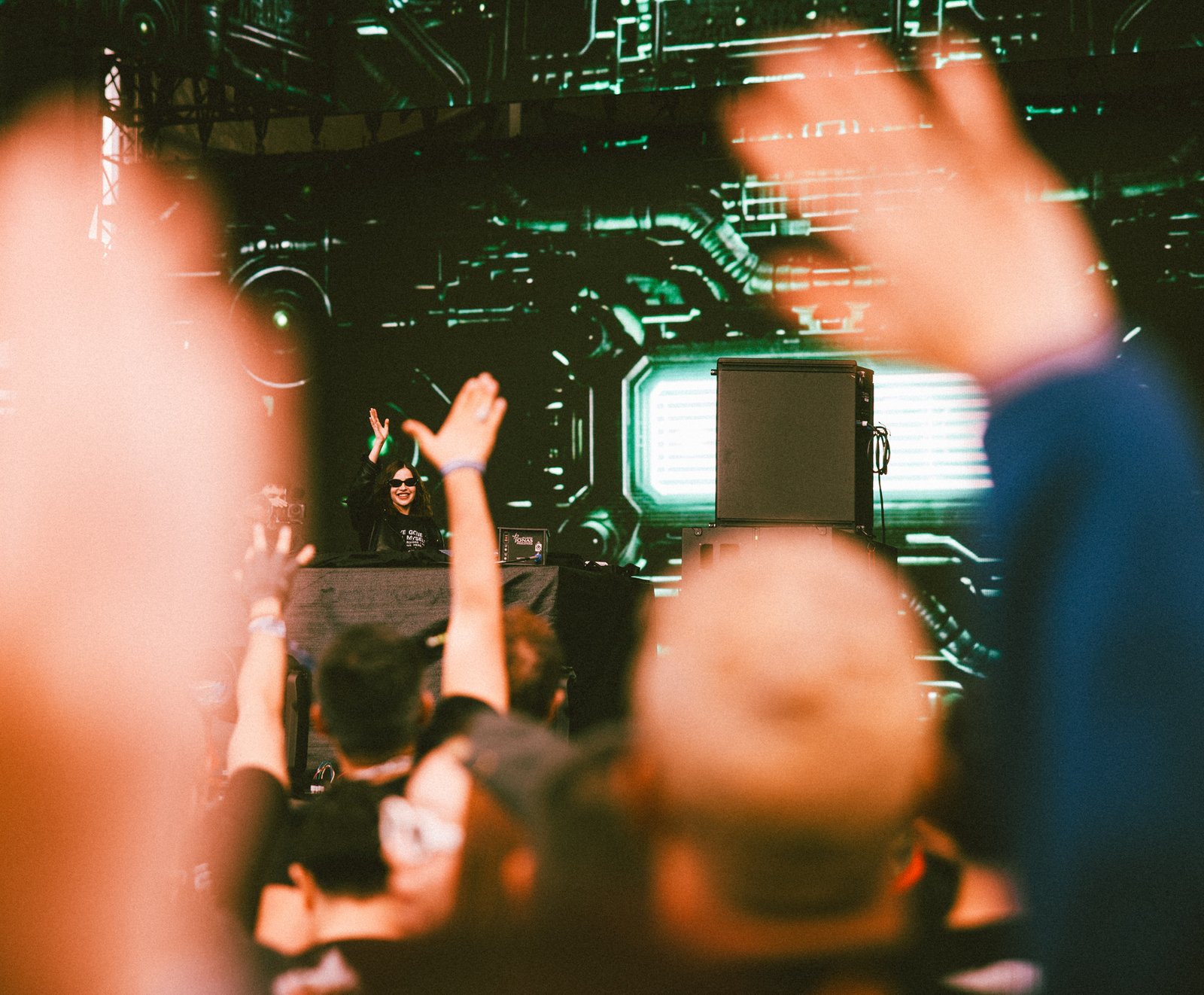
Day two of Movement 2024 was the day the festival had been arguing about for three months. Skrillex closed the Movement Stage Sunday, May 26. The crowd that showed up for him stayed.
The afternoon ran the way a Movement Sunday usually runs. Patrick Topping took the Stargate at 6 p.m. with a tech-house set that pulled the bass-curious crowd off the south end. Jeff Mills played the Pyramid at 7. Mills' Pyramid set is the one Movement set most longtime attendees plan their day around, and the room delivered the count it usually does. Capacity by the second track. Standing-room-only by the fourth.
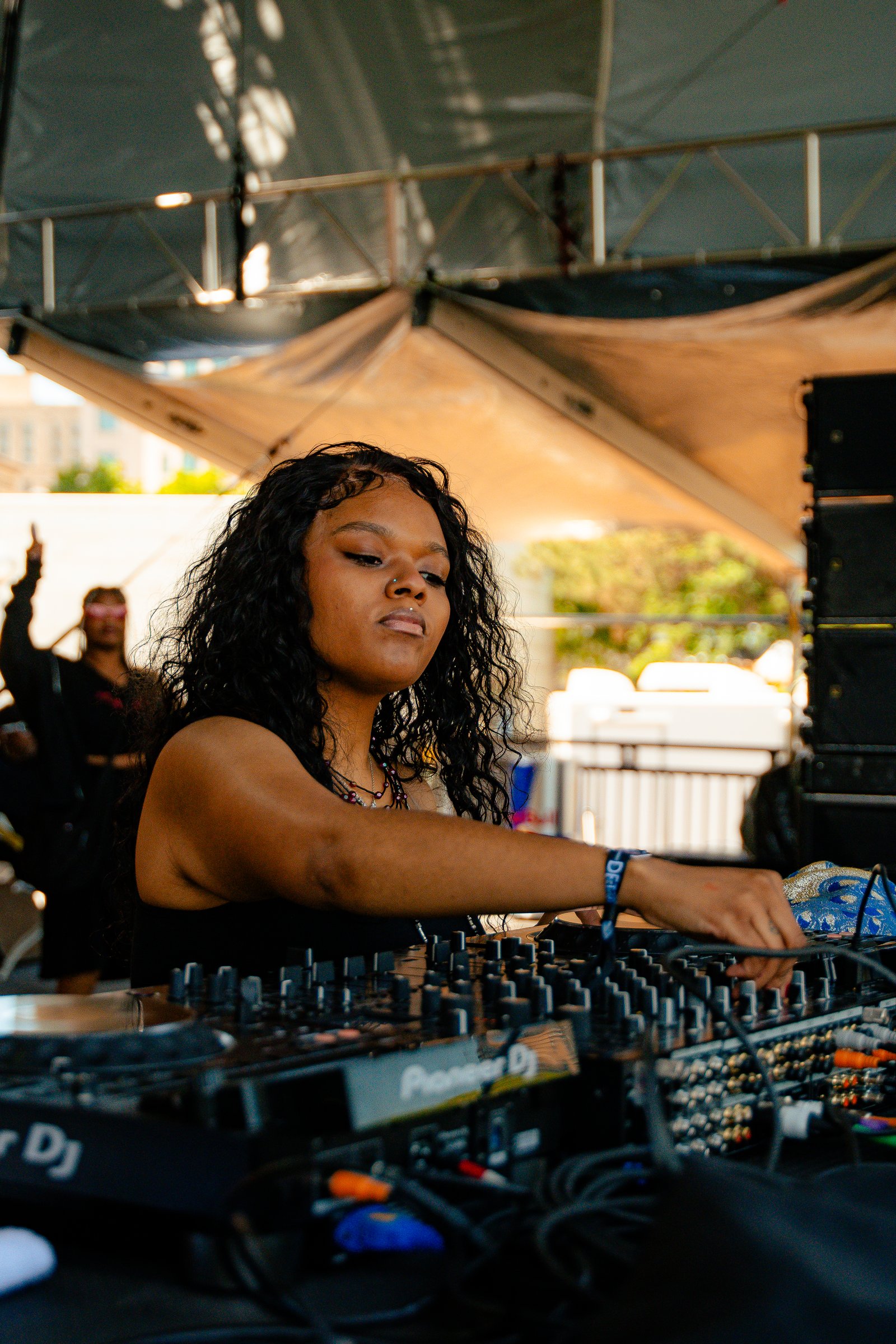
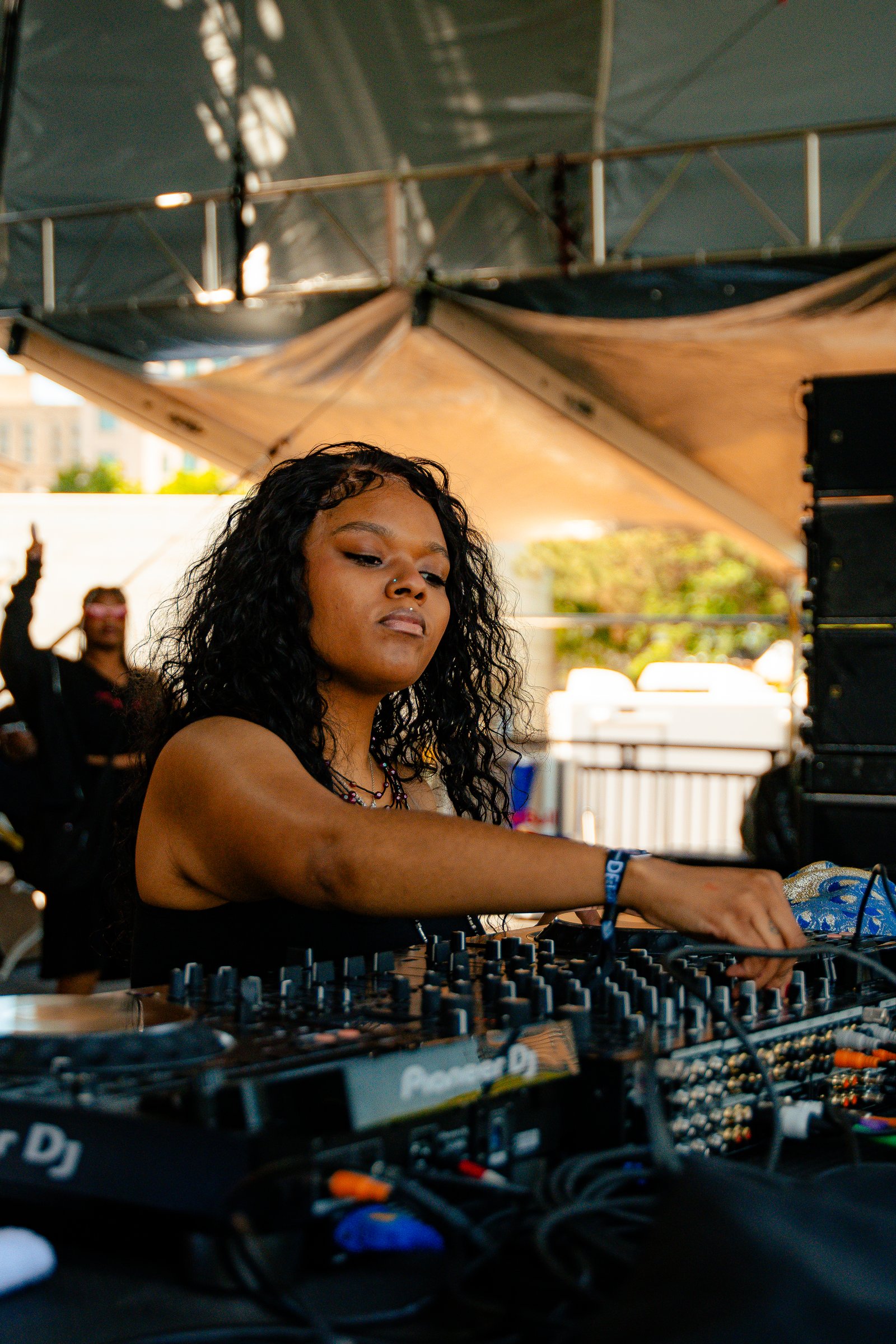
Mills' set was the technical anchor of the day. He played for ninety minutes on three Pioneer CDJs and a Roland TR-909, working from the Axis catalog with stretches that pulled from his Spiral Deluxe project. The transitions were the usual Mills exercise. Most of the room was watching the deck setup as much as listening.
Robert Hood played the Underground at 8. Hood's set leaned harder than recent Movement appearances. The Underground hit capacity for him and stayed there for the rest of the night. The booking decision to put Hood in the amphitheater rather than on a main stage is one Movement has been criticized for in past years; this year it worked because the room cleared as a destination rather than a fallback.
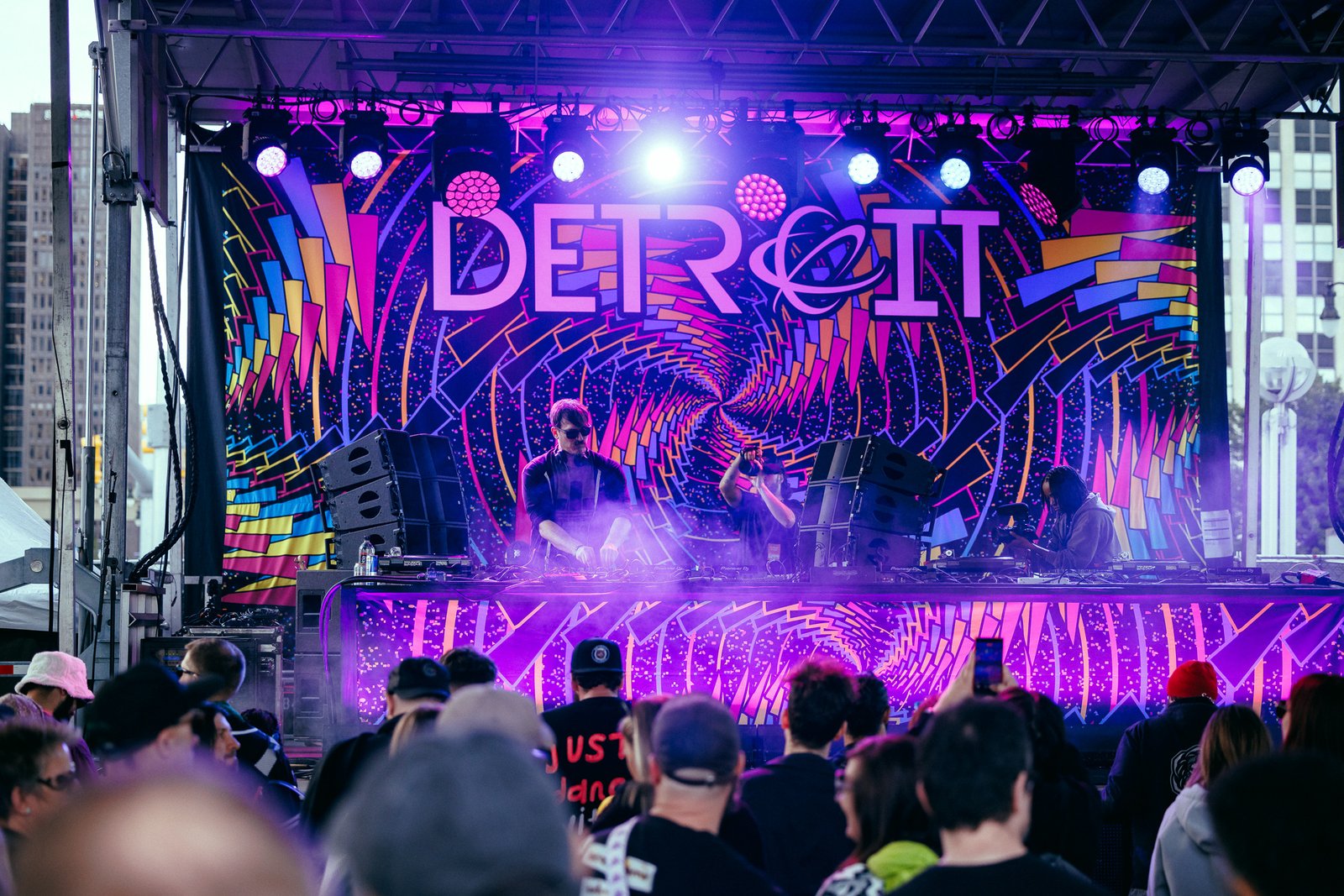
Skrillex came on at 10:15 p.m. The Movement Stage crowd, which had been thinning through the early evening as the festival's regulars moved toward the Pyramid and the Underground, refilled in the half-hour before the set. The audience was visibly different from the rest of the festival. Younger, broader, and louder. The set ran roughly 90 minutes and pulled from his recent collaborations as well as the Quest for Fire material.
Whether the booking belonged at Movement is the question the festival will keep arguing about. What it did mechanically was move the south-end count back to the levels of the Saturday Detroit Love close. Paxahau will read that as a successful programming decision. The techno-purist contingent will read it differently. Both readings are correct.
The other Sunday news was Underground Music Academy's debut showcase on the Pyramid earlier in the day. Waajeed's school for Detroit DJs had its first festival programming as a unit. DJ Holographic, Drummer B, and Jenecia Spann split the block. The crowd was smaller than the late-night main-stage rooms but the set quality was the highest of the afternoon. UMA used the slot to introduce its newest cohort of student DJs in the closing 15 minutes, which was the kind of structural gesture Movement has not historically made room for.
The afterparty circuit kicked Sunday into Memorial Day Monday harder than Saturday. No Way Back ran at the Tangent Gallery from midnight to noon. Detroit Love continued at Lincoln Factory. TV Lounge had Honey Dijon for a four-hour set that started at 2 a.m. Marble Bar ran a Robert Hood set that did not advertise in advance.
Sunday was the night the festival had to decide what kind of festival it was. The answer, depending on which stage you watched the answer from, was either both kinds or neither.