Submerge opened in 1992 as an administrative hub. Mike Banks, the Underground Resistance co-founder known throughout the scene as Mad Mike, set it up as a manufacturing and distribution operation for Detroit's independent dance music labels. The original location was 2030 Grand River. The current building at 3000 East Grand Boulevard, on the southern edge of the North End, has been the headquarters since the early 2000s.
The building runs as a collective. Record store, recording studios, label offices, and Exhibit 3000 — the museum — all under one roof. Cornelius Harris is the Underground Resistance label manager and the public-facing voice of the operation. The retail business is Somewhere in Detroit, the shop run by Bridgette Banks, Mike Banks's sister, that started as a roving operation moving through swap meets and flea markets before landing permanently on the boulevard.
What Submerge was built to solve was a structural problem that almost killed Detroit techno in the 1990s. The major US labels were not signing the music. The Detroit indies — Metroplex, Transmat, KMS, Underground Resistance — were producing records faster than the existing distribution networks could move them. Submerge consolidated the back office. One warehouse, one shipping operation, one set of phones. Labels came in, records went out. Detroit kept its catalog independent and its artists in town.
Exhibit 3000 opened on the upper floor in 2002. It has been recognized as the world's first museum dedicated to techno. The collection is vinyl, flyers, artwork, equipment, and assorted physical media documenting the genre's Detroit origins and the broader Underground Resistance arc. Display cases hold Roland TR-808s, master tapes, the early UR mailers, and the kind of ephemera that does not survive without someone deciding to keep it.
Visits to Submerge run by appointment through submerge.com. The shop does not perform for walk-ins. The model is deliberate. Banks has been clear in interviews that the operation is not built for the festival weekend tourist who wants to grab a t-shirt. The retail business serves the global vinyl economy that has always been UR's actual customer base. Berlin DJs ordering by the box. Tokyo collectors filling rare-pressing want lists. Detroit producers stopping in to drop off masters.
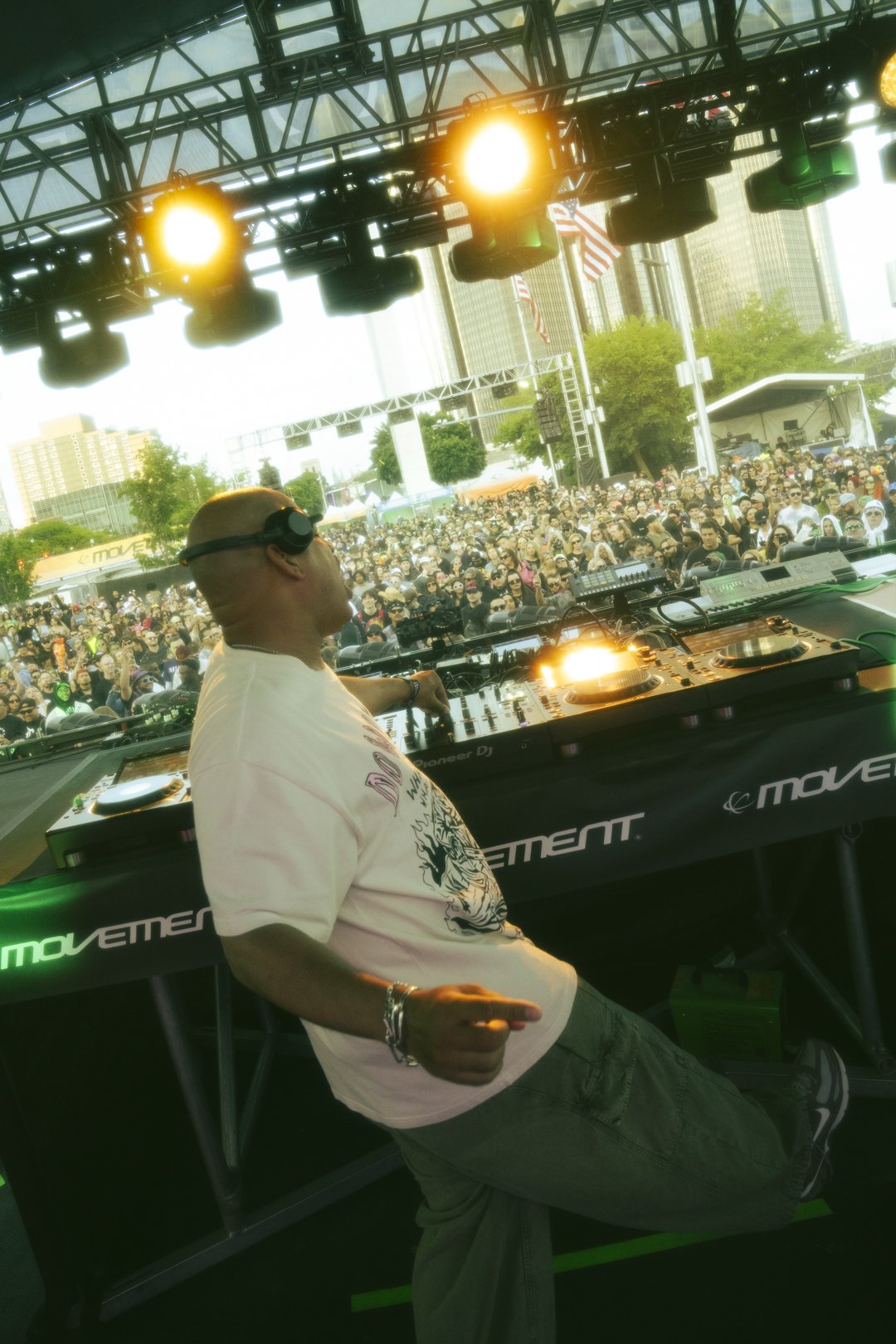
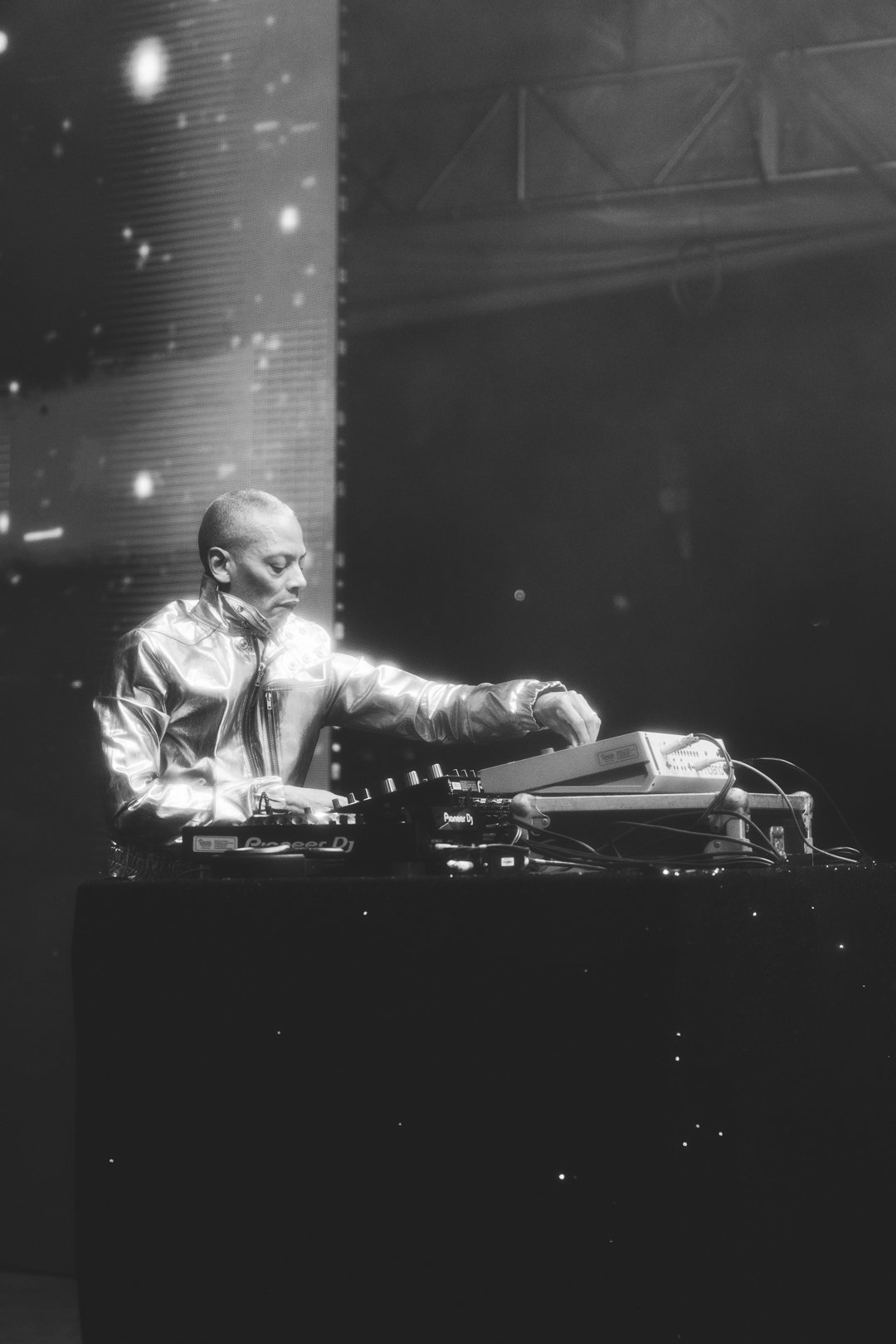
The 2026 Movement lineup includes most of the artists who have records in Submerge's crates. DJ Minx, Kevin Saunderson, Carl Craig, DJ Godfather, Kyle Hall, Byron the Aquarius, Terrence Dixon. The festival weekend is also Submerge's busiest week of the year. Demand for hard-to-find domestic pressings climbs through May, and the building fills with visitors who flew in to stand in the room where the music was distributed.
What Submerge has done for 33 years is solve a logistics problem in a way that doubled as a cultural one. The records moved. The catalog stayed in town. The archive accumulated as a side effect of the warehouse staying open. The North End building is the receipt.
Submerge is at 3000 East Grand Boulevard. Appointments through submerge.com.