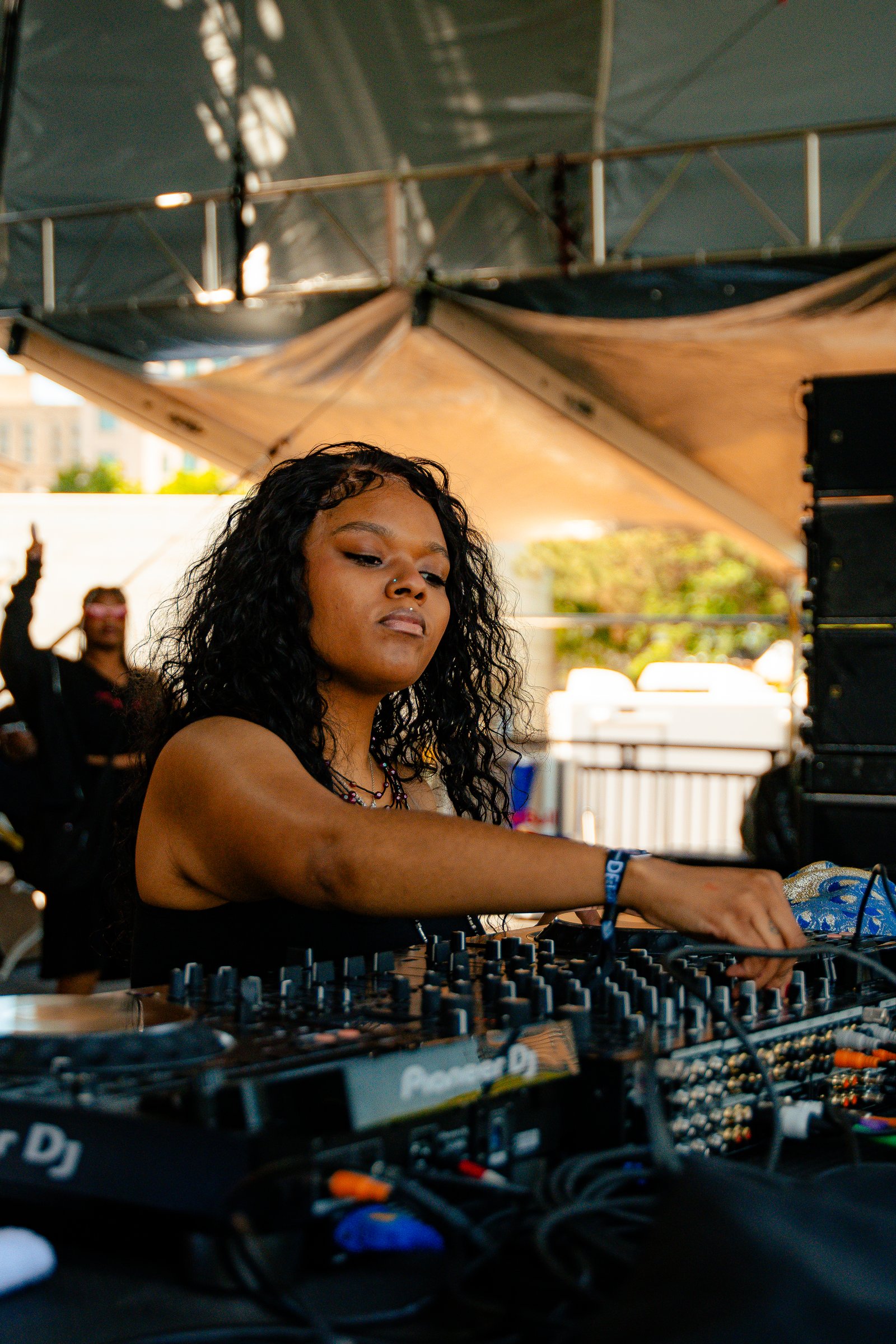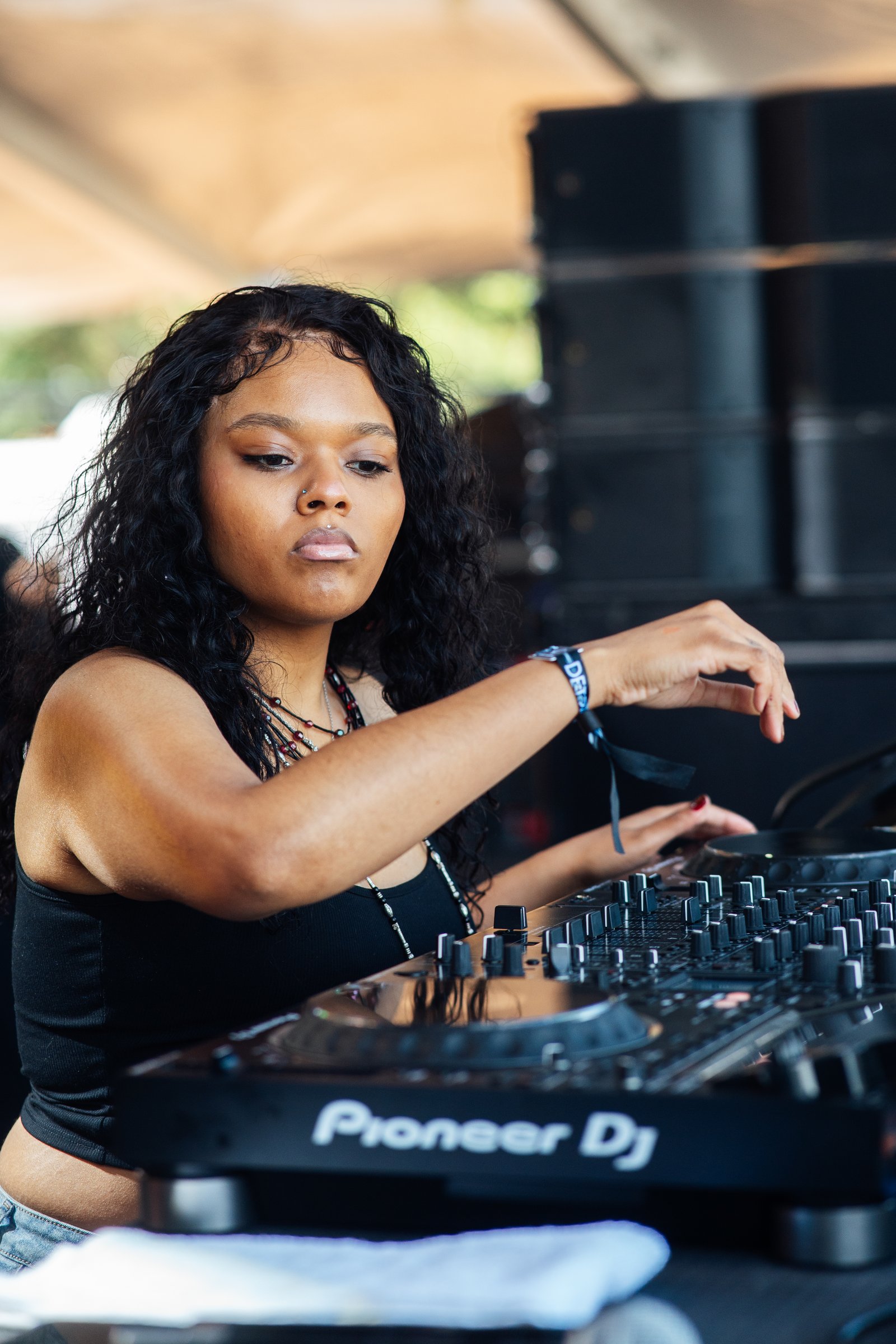
Sonny Moore closed the Movement Stage Sunday night under the name he stopped being able to outrun. The booking had been a subject of argument since February, when Paxahau put Skrillex on the lineup graphic alongside Carl Craig, Jeff Mills, and Honey Dijon.
The argument was straightforward and old. Movement is the festival the city of Detroit hosts on the riverfront in the place techno was invented. The lineage is the point. Skrillex is a dubstep and bass-music act whose career was built largely outside that lineage, and whose 2010s commercial run made him a more recognizable name than most of the artists Movement was built to honor. Putting him on a closing slot was, for the people who treat Movement as a Detroit institution first, a category violation.
The counter-argument, which Paxahau has been making in interviews since the lineup announcement, is that Skrillex's recent work — the Quest for Fire and Don't Get Too Close releases from 2023, the collaborations with Fred again.. and Four Tet, the back-to-back appearances at Madison Square Garden and Coachella — has moved him closer to the dance-music center of gravity than he was a decade ago. The festival's bass-music programming on the Stargate has been growing for years. The booking, in this framing, is the logical extension of that growth.
Both arguments are correct. That is the part that has been hard to absorb.
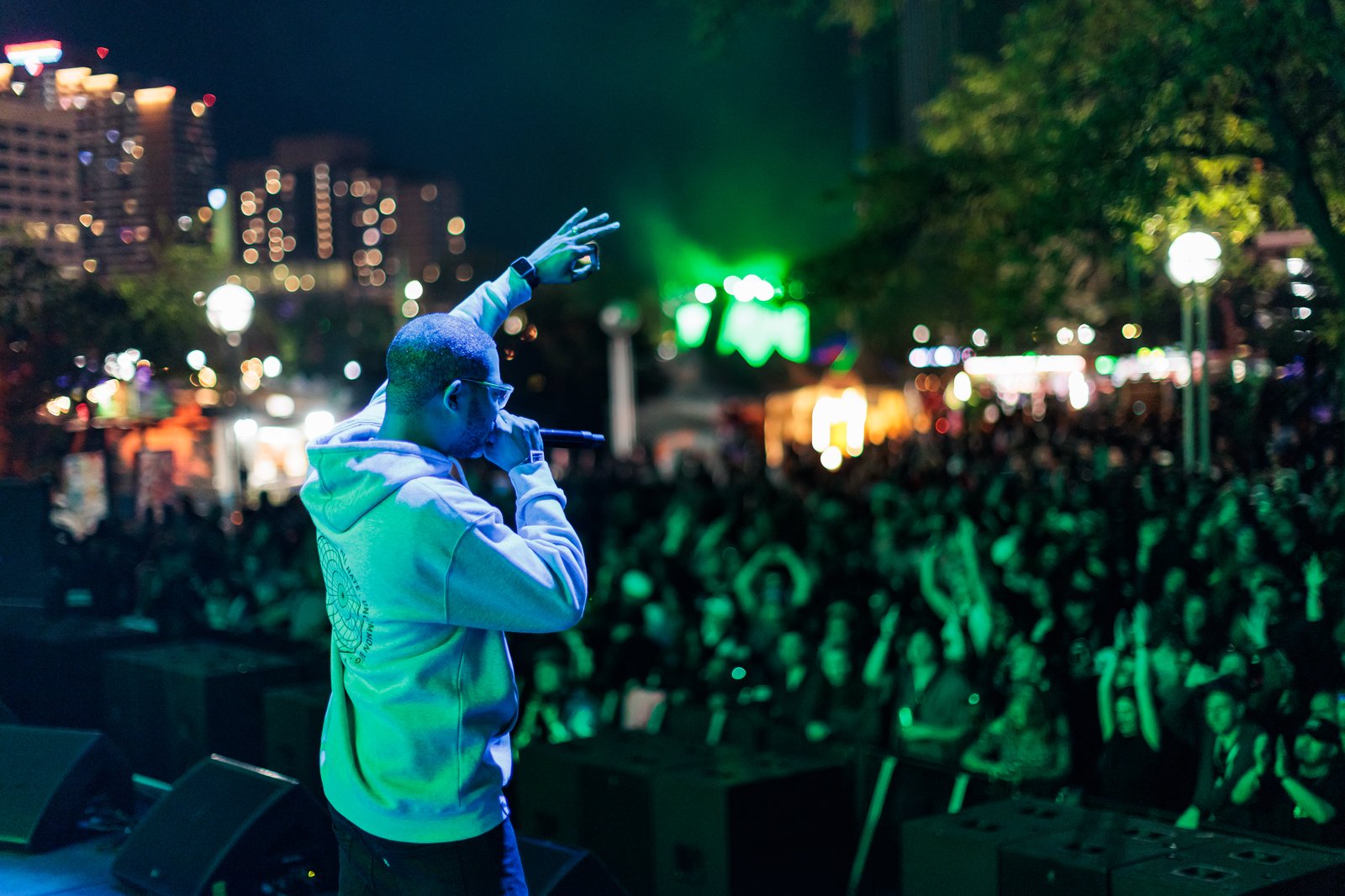
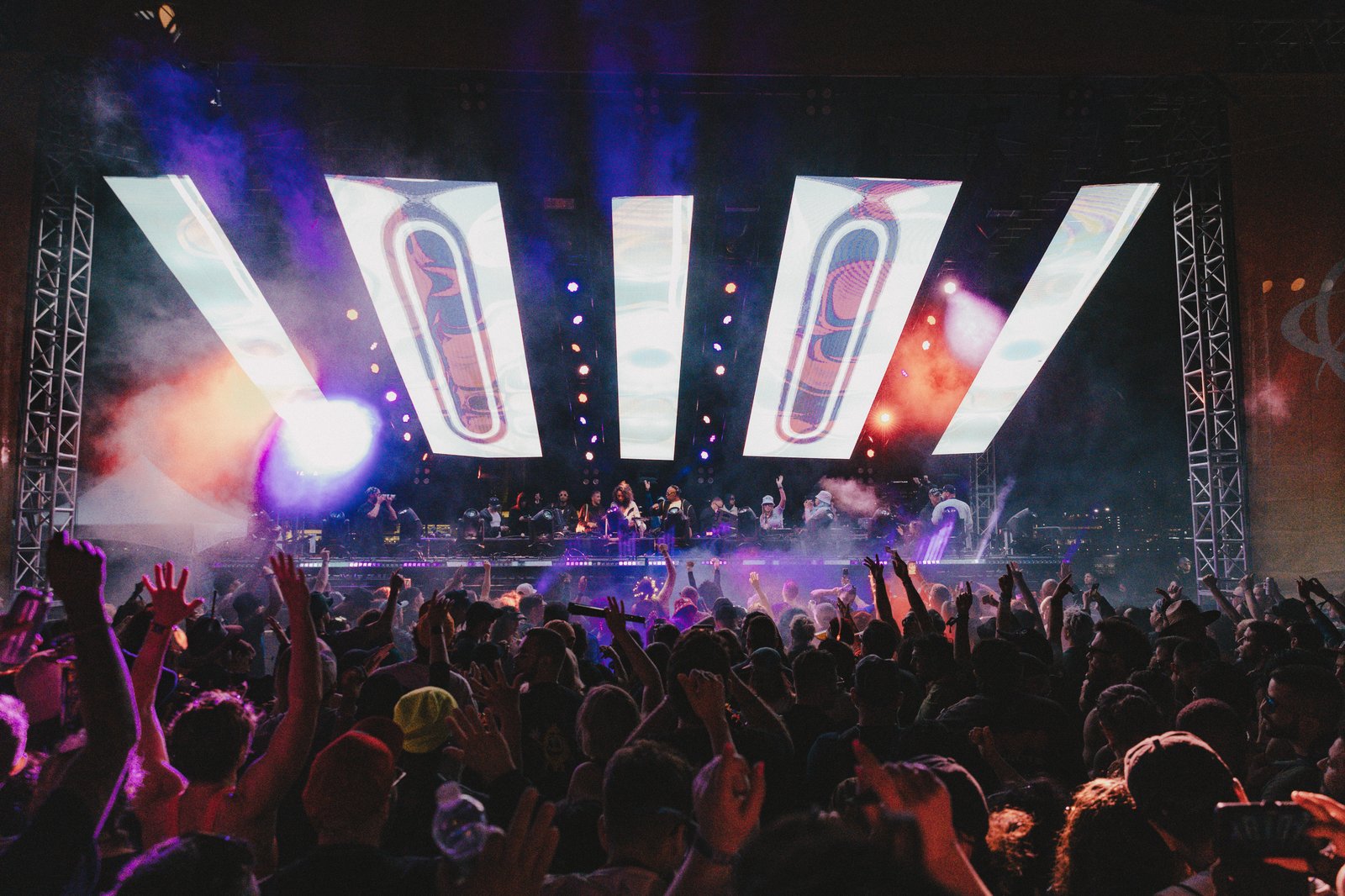
The crowd Sunday night made a mechanical case for the booking. The Movement Stage refilled in the half hour before Skrillex came on with an audience that was visibly different from the rest of the weekend — younger, more out-of-town, louder. The set ran roughly 90 minutes and held the room. The drop-driven moments that work at a Skrillex show worked at this one. The bass production was the heaviest the Movement Stage had carried all weekend. People who had been at the Pyramid for Jeff Mills earlier in the evening did not, on the whole, come watch.
What the booking said, in its loudest version: Movement in 2024 is a festival making a commercial decision that the techno-Detroit core no longer fills the room by itself. The 25th edition will be in 2025. The festival has to keep selling the Sunday closing slot. Skrillex sold it.
What the booking said, in its quieter version: the lines between dance-music subgenres are softer than Movement's history wants them to be. The Pyramid still belongs to techno. The Underground still belongs to harder techno. The Movement Stage, increasingly, is programmed for the audience Paxahau has to keep selling tickets to. Treating those rooms as separate decisions instead of one decision is the move.
The criticism that landed cleanest came from artists who play the festival regularly. DJ Holographic, in a brief Instagram post Monday, framed the booking as a reminder that Movement's curatorial weight has always sat with the curators inside the lineup — Carl Craig's Detroit Love, Saunderson's KMS — rather than the headline graphic. That reading is the one Movement has historically rewarded.
The booking is over. The argument will continue. The next lineup announcement is in February 2025.
What it said about Movement 2024 is that the festival is not finished negotiating what it is.