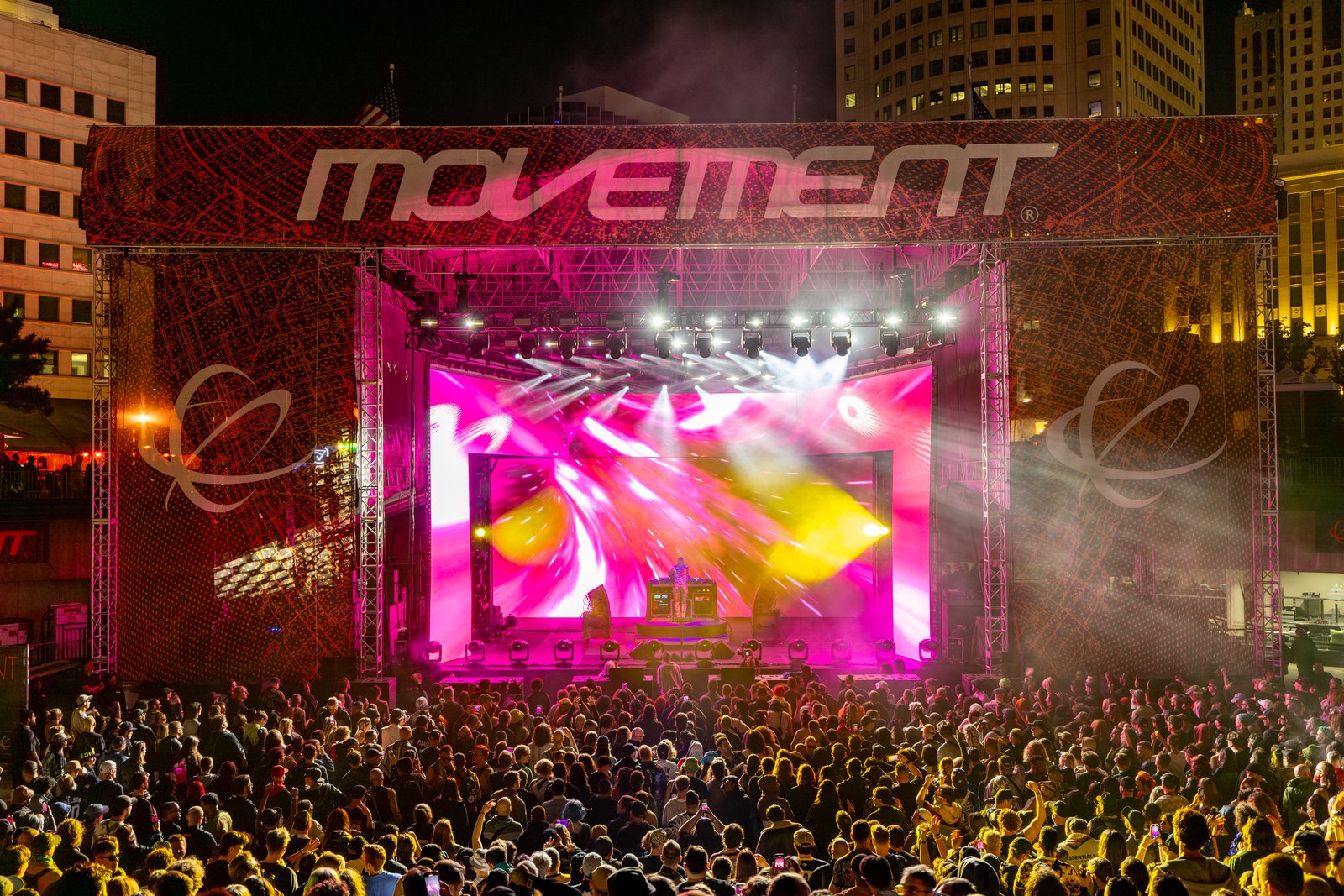
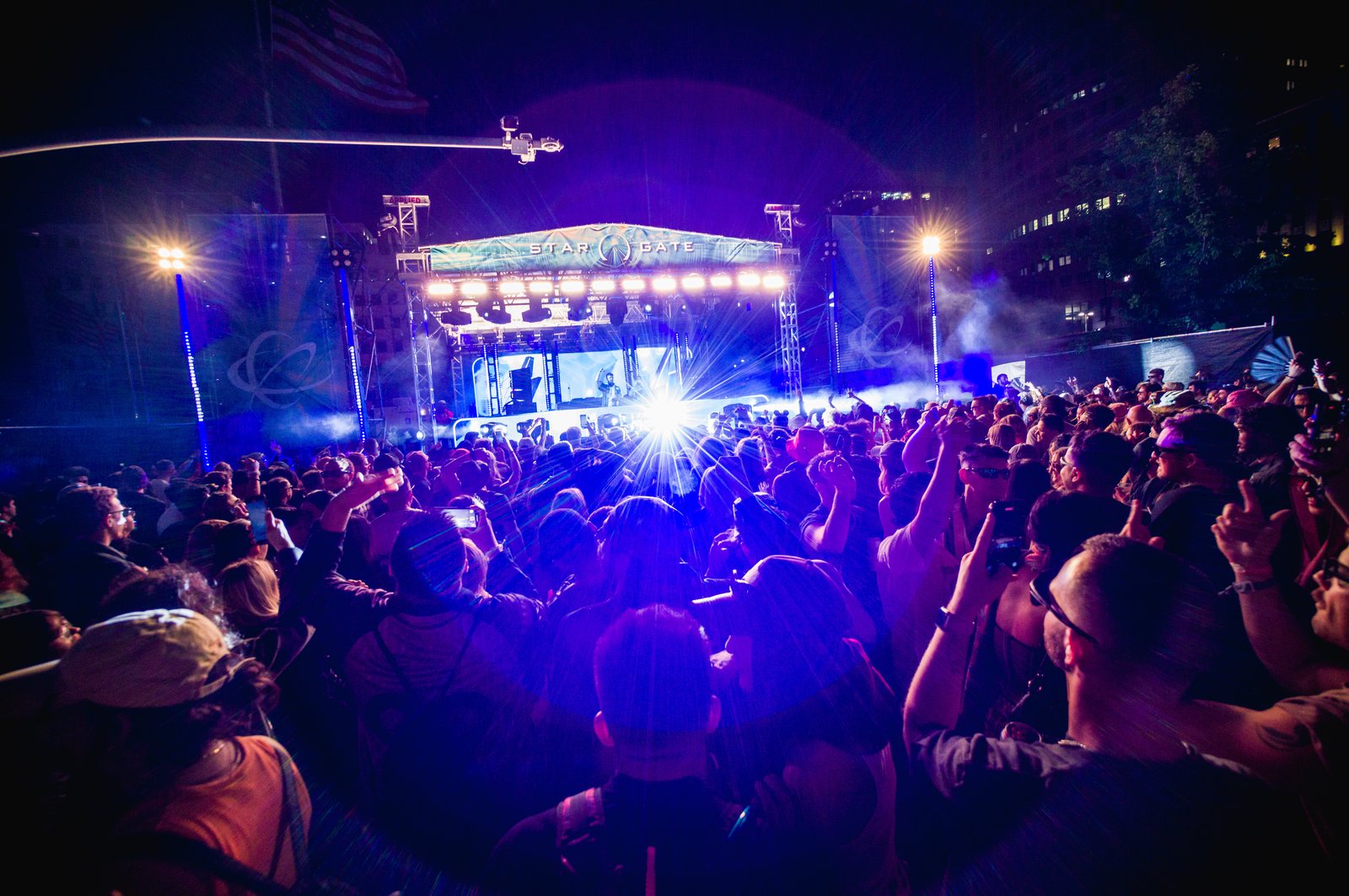
Paxahau Event Production has produced Movement since 2006. The company is based in Detroit, has run the festival under five different mayors, and operates with a small full-time staff. The festival is the single largest line item on its calendar.
Sam Fotias is Paxahau's director of operations. Jason Huvaere is president and one of the original founders. The company started in 1998 as a promotion crew running Detroit dance events at small clubs and warehouses. By 2003, they were running afterparties for the festival. By 2006, after the City of Detroit defaulted on the festival's financial structure during the Fuse-In years, Paxahau took over the contract.
The handover changed two things. First, the festival went from free to ticketed. Second, the booking shifted from a creative-director model — Carl Craig, then Derrick May, then Kevin Saunderson in successive years — to a committee model. Paxahau staff, working with a rotating set of curatorial partners, build the lineup over a roughly nine-month cycle. By the time the lineup is announced in February or March, the Memorial Day stages are largely set.
The committee approach has been criticized for producing a festival that is, in some years, less Detroit-forward than the 2000-to-2003 free editions. The criticism is fair on its face. The 2025 lineup, however, leans visibly into that tension. Detroit Love returns. KMS curates. House Your Life curates. Underground Music Academy gets a slot. Three Chairs play. Father Dukes, Stacey Pullen, Moodymann, Theo Parrish, DJ Minx, DJ Stingray, Mike Servito, Octave One, and Robert Hood are all on. The committee made the call to spend the 25th anniversary on Detroit programming.
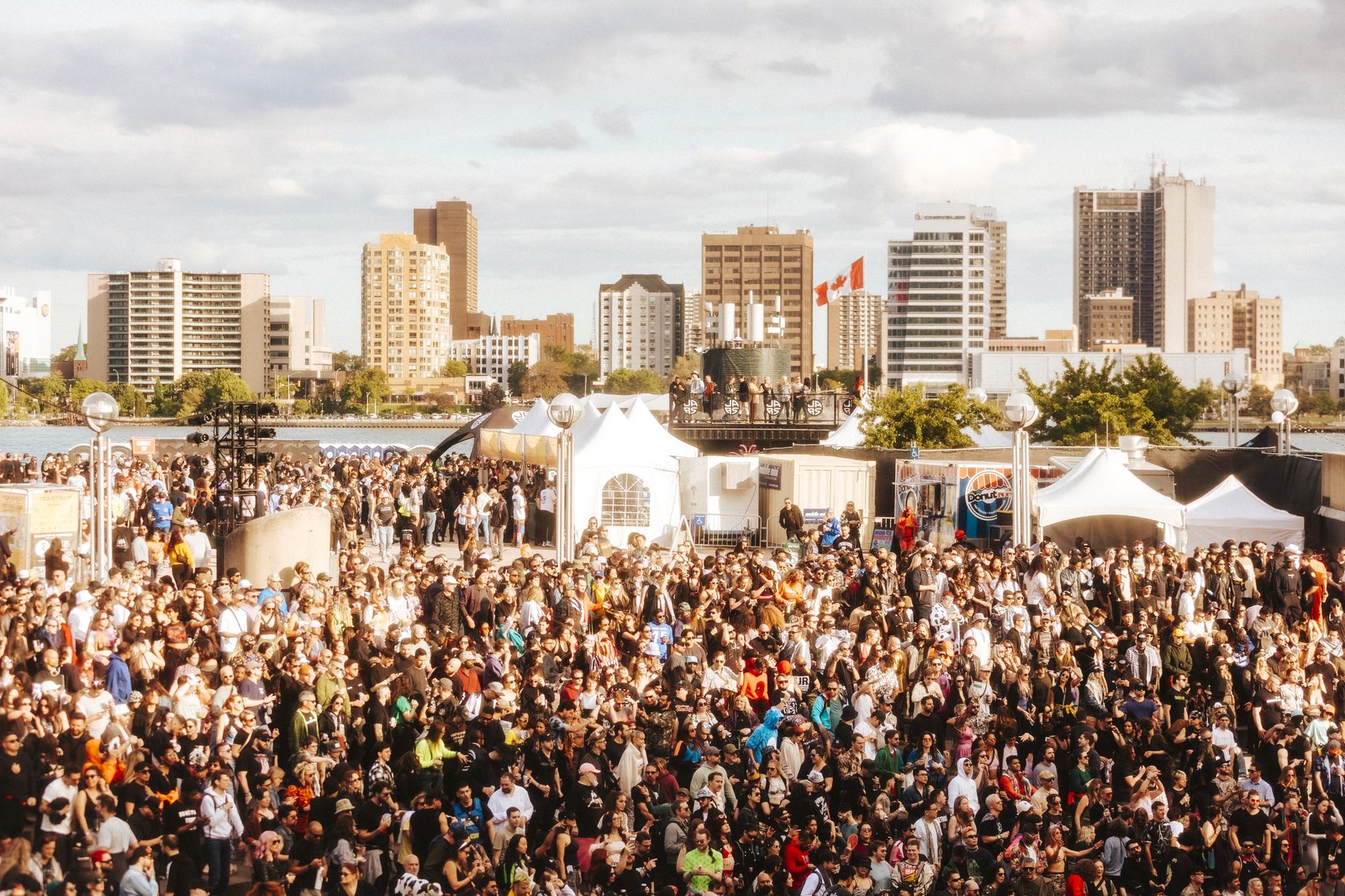
What Paxahau has not changed is the operational backbone. Hart Plaza was not built for a six-stage electronic music festival. The crew has gotten it to work for 19 years by treating the plaza as a known constraint rather than a problem. Stage placements have stabilized. The shuttle and ingress structure has stabilized. The afterparty schedule, formally outside Paxahau's purview, gets coordinated informally with the venues that actually host the Movement crowd overnight.
The financial structure is opaque, as is true for most independent festival operators. Movement is not free, ticket prices have risen at roughly the rate of comparable mid-tier festivals, and Paxahau has historically declined to disclose attendance figures. The 2024 edition, by reporting in Resident Advisor and Bandcamp Daily, was the largest Movement since the 2010s. The 2025 edition is the test of whether that growth holds.
Huvaere has said in interviews that Movement is, in his framing, a Detroit institution that happens to be a festival. The framing is self-serving. It is also not wrong. Twenty-five years in, Paxahau is still booking the same plaza, running the same Memorial Day window, and getting Detroit techno programmed in front of an international audience every year.
The math is the math.