Juan Atkins, Derrick May, and Kevin Saunderson met at Belleville High School, a roughly 30-mile drive west of Detroit, in the late 1970s. By 1988, the music they were making had a name and a Virgin Records compilation explaining it to Europe. Seven years, three labels, and one genre.
Atkins came first. He started Cybotron with Vietnam veteran Rick Davis in 1981, releasing "Alleys of Your Mind" the same year. By 1985, Atkins had broken from Davis, taken the Model 500 alias, and founded Metroplex out of his mother's house. The first Metroplex release, "No UFO's," set the template. Roland TR-909, sequenced bass, vocoder vocal, no song structure that radio would recognize.
May was the follower who passed the leader. He was DJing house parties around Detroit by the mid-1980s as Mayday and absorbing whatever Atkins was playing him. In 1986 he started Transmat. In 1987 he released "Strings of Life" under the alias Rhythim Is Rhythim. The track is now in nearly every history of dance music written in any language.
Saunderson hit pop. He launched KMS Records in 1987, released his own productions as Reese, E-Dancer, and Kreem, and then in 1988 fronted Inner City with vocalist Paris Grey. "Big Fun" went to number eight on the UK chart. "Good Life" hit number four. Inner City did the work techno was not built to do, which was sell.
The fourth name in most credible tellings is Eddie Fowlkes, sometimes called the fourth Belleville member. Fowlkes was the same Belleville-Detroit cohort and released "Goodbye Kiss" on Metroplex in 1986. The "Belleville Three" framing got fixed by British music writers and stuck.
The genre name came from a marketing decision. Neil Rushton, a UK A&R, came to Detroit in 1988 to compile a record. The original working title was "The House Sound of Detroit." Atkins pushed back. He wanted the music labeled techno, after the Cybotron track "Techno City" and the Alvin Toffler vocabulary he had been using since high school. Virgin released "Techno! The New Dance Sound of Detroit" in 1988 and the name became permanent.
What the three of them did not do was build a full Detroit infrastructure. The clubs that played the music were short-lived. The Music Institute on Broadway closed in late 1989, less than two years after opening. By 1990 most of the audience for Detroit techno was in London, Berlin, and Tokyo. May spent most of the 1990s touring Europe. Saunderson followed Inner City overseas. Atkins stayed in Detroit and kept Metroplex running.
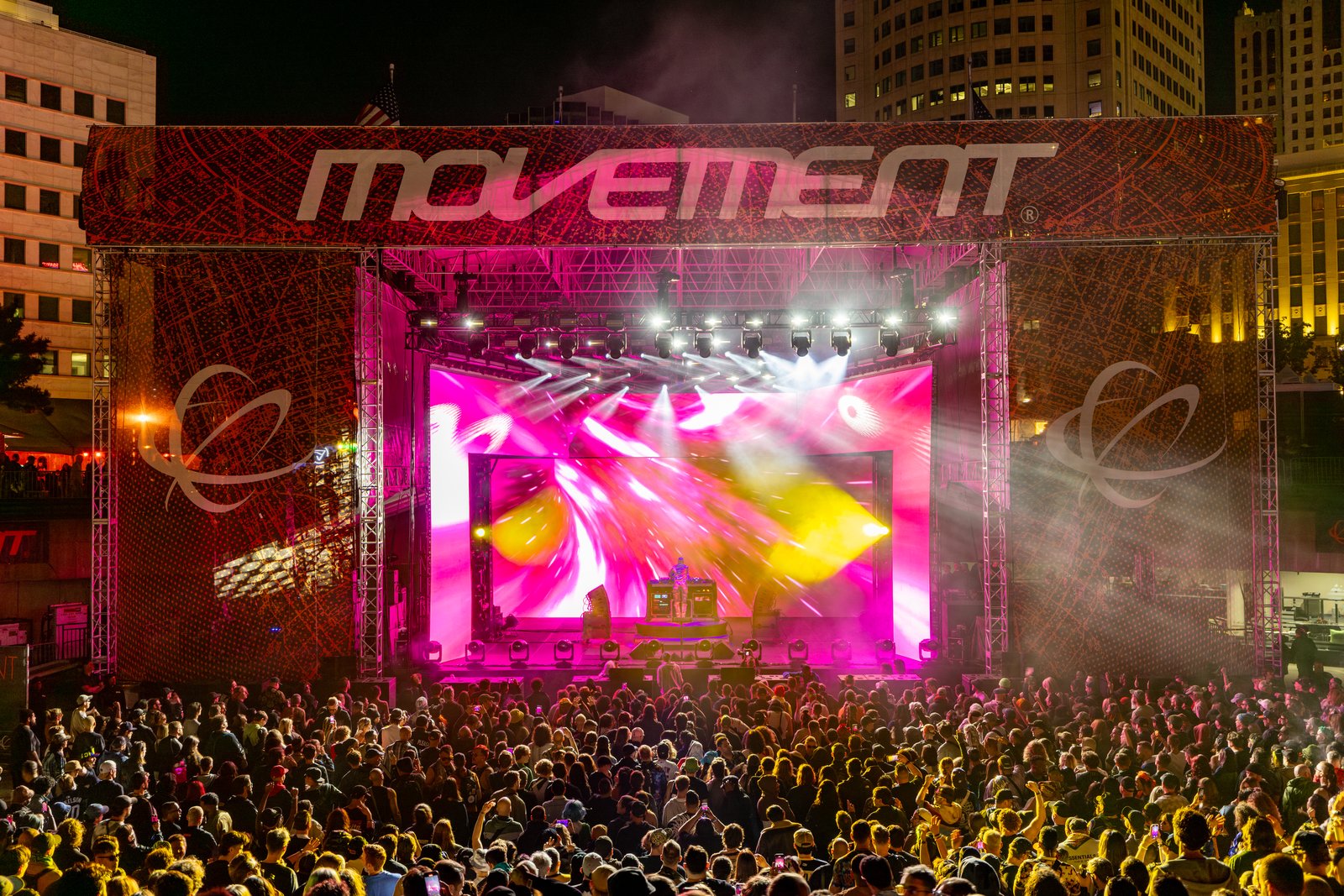
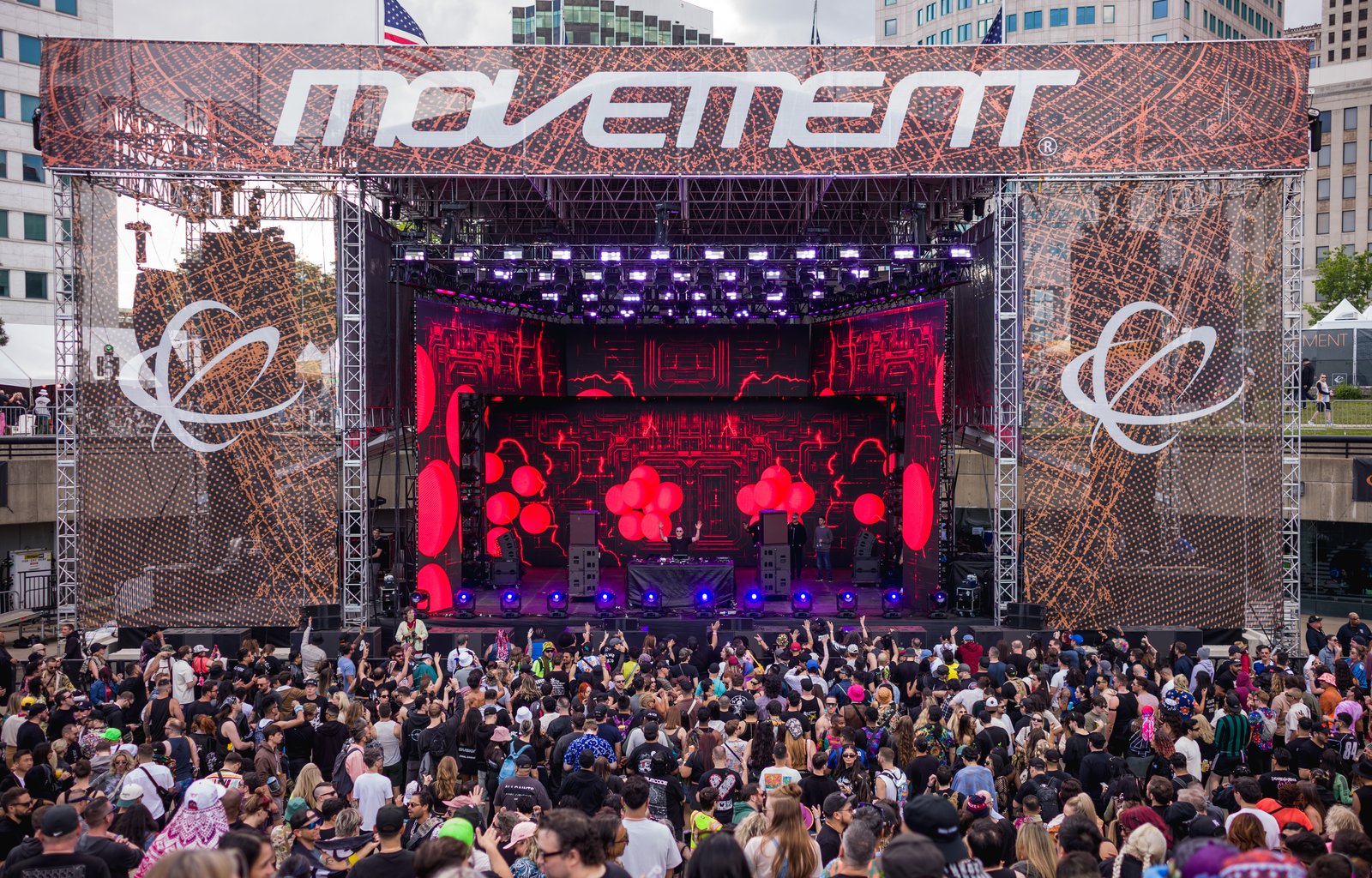
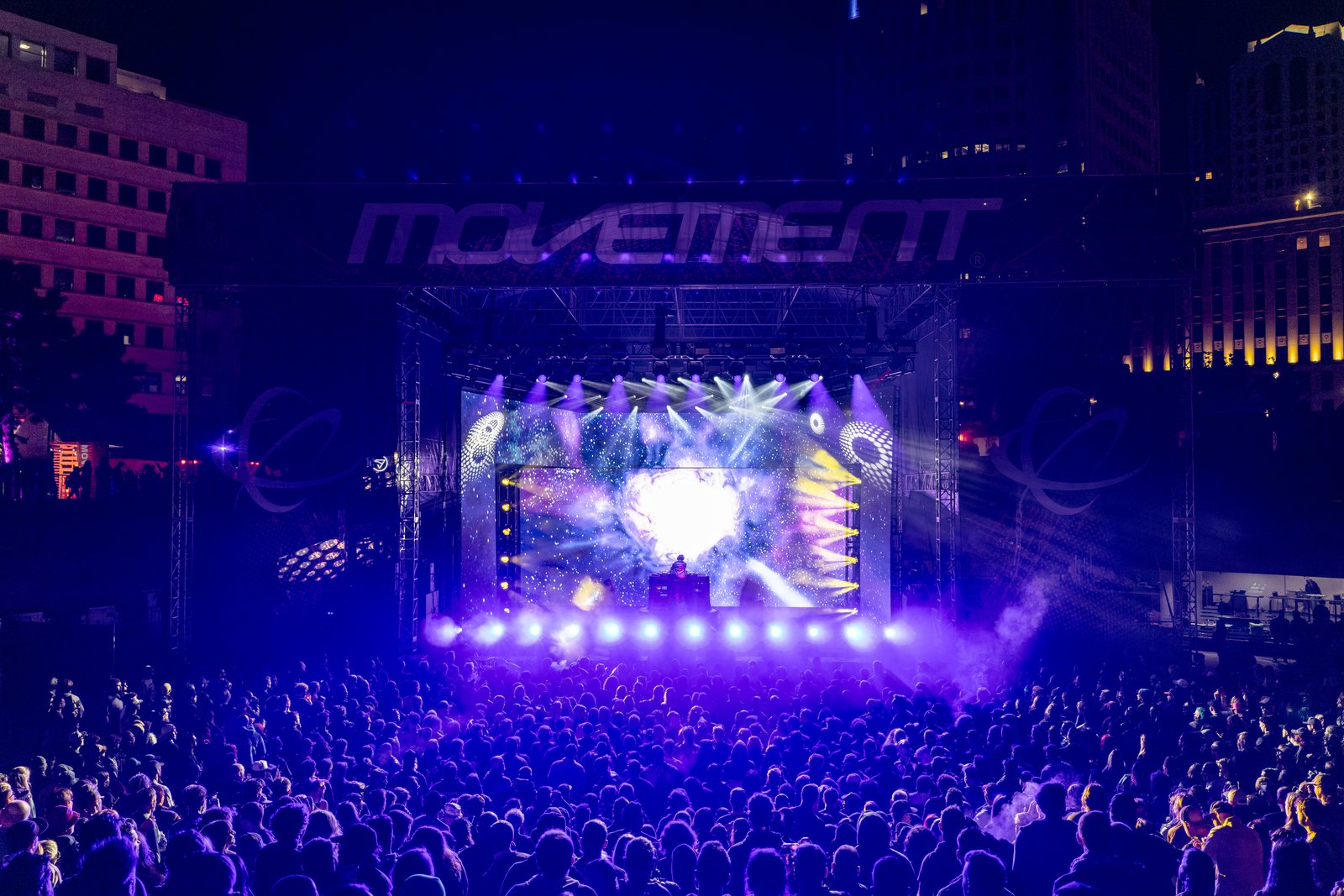
The full reckoning waited a generation. In 2000 the city launched the Detroit Electronic Music Festival at Hart Plaza with Carl Craig as artistic director. By then the three Belleville High School kids were in their mid-thirties and the genre they had named was fifteen years old. The festival now called Movement returned for its 25th edition in 2025. All three of them are still working.