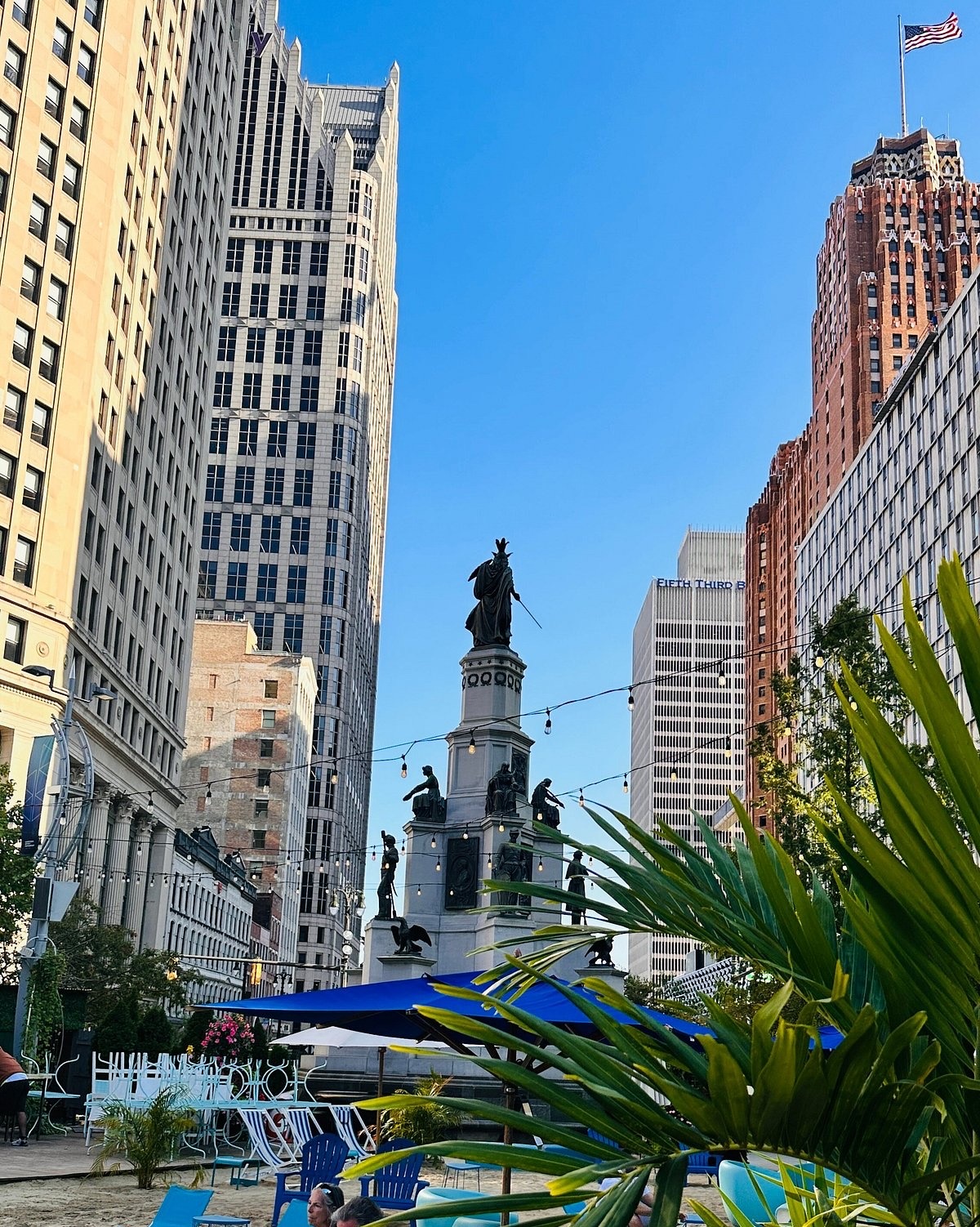
Ask most Americans which city holds the UNESCO City of Design title, and the first guesses run toward New York, Chicago, or Los Angeles. All of them are wrong. Detroit has been the only city in the United States to carry that designation since 2015, when the United Nations Educational, Scientific and Cultural Organization named it to the Creative Cities Network. It was the first U.S. city to join the network for design, and it remains the only one.
The Creative Cities Network spans cities across creative fields that range from music and literature to film and gastronomy. The City of Design designation is a smaller club within it. To earn the title, a city has to show an established design industry, schools and research centers built around the craft, a built environment shaped by design, and a record of gathering that world through events and exhibitions. Detroit met the test.
The case for the city sits in its history. Cranbrook Academy of Art, in Bloomfield Hills, was a crucible for American modernism. Eliel Saarinen, its first president, shaped a generation of designers who reset the country's sense of how things should look. Charles and Ray Eames, Florence Knoll, and Harry Bertoia all passed through Cranbrook, as did Eliel's son Eero Saarinen. Eero Saarinen's General Motors Technical Center in Warren and Minoru Yamasaki's McGregor Memorial Conference Center at Wayne State are now National Historic Landmarks. And then there is the automobile, which Detroit turned into a canvas, making automotive design a language the city invented and still speaks.
That heritage is not only a museum piece. UNESCO counts a regional design industry that employs more than 45,000 people and generates about 2.5 billion dollars in wages. The designation put that engine into sharper focus, for the city as much as for the rest of the world.
Design Core Detroit serves as the official steward of the title and is part of the College for Creative Studies. It runs business and accelerator programs for designers and small firms, and it convenes the city's signature design event each fall.
Every September, Detroit turns the designation into a citywide celebration. The Detroit Month of Design, organized by Design Core, runs the full month with studio tours, installations, panels, and workshops. The 2025 edition, the 15th, featured more than 95 events and installations with work from over 1,000 designers. It also marked the 10th anniversary of the City of Design designation.
The title was earned, not assigned by default. For residents who grew up hearing what was broken here, it is worth sitting with what is real. Detroit shaped the look of modern America, and the world confirmed it a decade ago. It keeps confirming it.