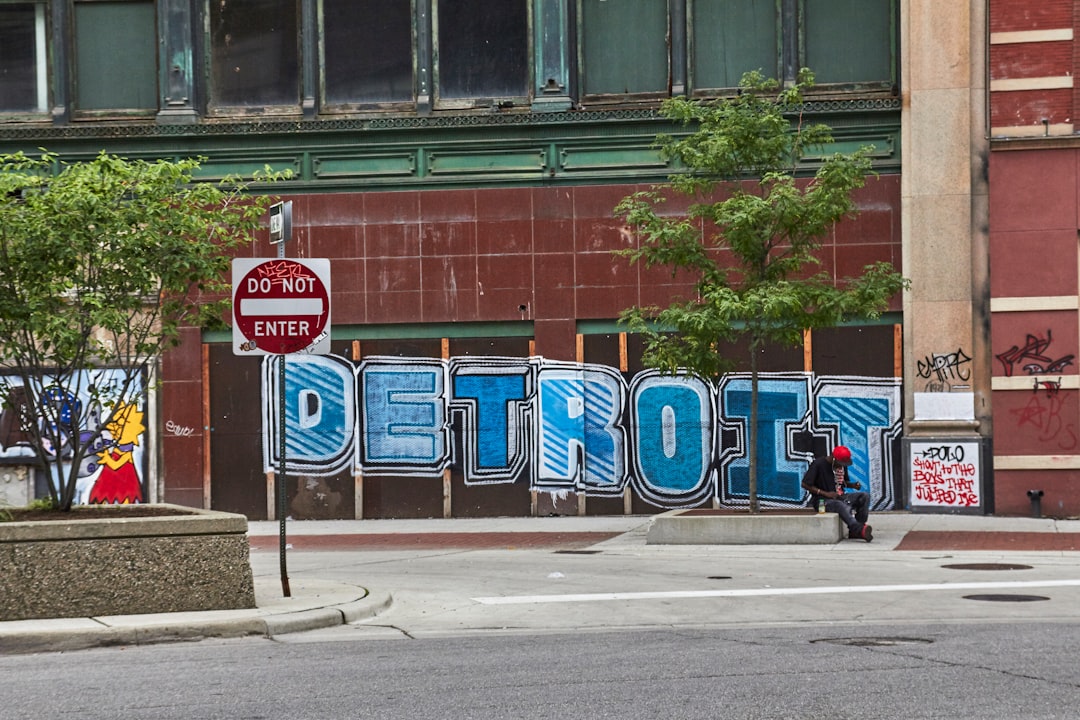
The 2024 NFL Draft ran in downtown Detroit from April 25 to 27 and pulled an estimated 775,000 people across three days, the largest crowd in the history of the event. Detroit beat the previous record, Nashville's 600,000 in 2019, on the morning of the second day. Day 1 alone drew about 275,000 people to Campus Martius Park and the surrounding blocks. The NFL did not charge admission. Estimated regional spending ran $213.6 million per the Detroit Sports Commission. Hotel occupancy hit 92% on Thursday. Fans came from all 50 states and over 20 countries; one person flew in from Australia.
The setup spanned Campus Martius, Hart Plaza, and Cadillac Square. The main stage went up in Campus Martius. The NFL Draft Experience activations spread across Hart Plaza and Corner Ballpark. Eminem played the kickoff. Barry Sanders and Calvin Johnson made appearances. Active Lions like Amon-Ra St. Brown came through. Local fixers like Beyond Basics co-founder Pam Good announced picks on stage as part of the league's community-leader program.
The cultural side of the story is the part that mattered more. For the first time in NFL history, the league installed prayer halls at one of its tentpole events. Two of them, two hundred square feet each, one at Hart Plaza and one at Campus Martius. Both designed and built by The Led Lion, an Arab American-owned company in Dearborn Heights. Hussein Mokahal led the build. Amera Fattah of Suite Storees designed the interiors. The halls had handwashing stations, prayer rugs, shoe storage, and a finish that referenced Islamic design tradition. They were open during Muslim prayer times every day the draft was open. This was the first time the NFL had done this anywhere. Detroit insisted. Detroit has the largest Arab American population in the country, and the league agreed.
Behind the prayer halls, the rest of the local contracting was deliberate. Black-owned businesses landed 34 contracts, about 40% of local contracts. The NFL spent $12.1 million with local minority-owned businesses. Fifteen Black-owned concession stands operated inside the Taste of Detroit zone at Hart Plaza. Two Yemeni coffee shops served espresso. Blum Floral Boutique made 100 tropical-themed arrangements. Translations were available in Arabic and Spanish. Nicki Ewell, the NFL's senior director of events, has framed the league's posture as paying homage to Detroit's makeup. The phrase is generic. The contracting numbers are not.
Detroit had been positioning to host since 2018. The Detroit Sports Commission and Visit Detroit got the bid. The city's Planning Department, the Downtown Detroit Partnership, and the City Office of Arts, Culture and Entrepreneurship coordinated public-realm improvements. That included a controversial mural commission program with Street Art for Mankind, which became its own story when the City Council later refused to approve payments to international artists involved.
The Lions did Lions things. General manager Brad Holmes traded picks four times to move up for the players he wanted, including Alabama cornerback Terrion Arnold at 24 overall. Arnold took the stage at Campus Martius seconds after his name was called.
The Draft Theater at Campus Martius and the NFL Draft Experience at Hart Plaza ran on a free OnePass. NFL Green planted trees in lower-income neighborhoods. The Detroit Police Athletic League's Corner Ballpark hosted youth events.
The crowds were peaceful. The hotels sold out. The bars and restaurants ran out of food. About 50 million people watched on television.
Two and a half years on, the 2024 Draft is still the largest sporting attendance event Detroit has ever hosted. The 2027 NCAA Men's Final Four will get its turn.
Campus Martius Park and Hart Plaza, downtown Detroit.
 By Marcus
Contributing Writer · April 25, 2024 · 3 min read
By Marcus
Contributing Writer · April 25, 2024 · 3 min read